Deep dives into AI short dramas, the creator economy, and the future of mobile entertainment.
A single vertical AI short drama episode takes 7–11 hours to finish solo, and image generation alone eats 3–5 of them. A Taiwan-based content operator using Lollipop Drama (an AI short-drama watch-and-create platform, https://www.lollipop.im/) ran the entire path — topic, script, generation, voice, publish — on the free tier, with no install, no camera, and no crew. The trick is a fixed cadence, not more hours.
All three creators start by building a standing topic pool of 30+ ideas, then filter with a one-line hook test plus a four-dimension scorecard. The pass rate is roughly 1 in 8 — about 30% clear the hook gate, and the scorecard cuts that down to a single production-ready idea. Nothing gets made on a whim.
Getting a first short drama script licensed usually means clearing three hurdles — a repetitive topic, a weak hook, and unclear licensing terms. Fix the hook and the terms first, and most writers reach a deal after 3–5 drafts. The writer in this story sold on her fourth draft, and none of the three rejections were wasted.
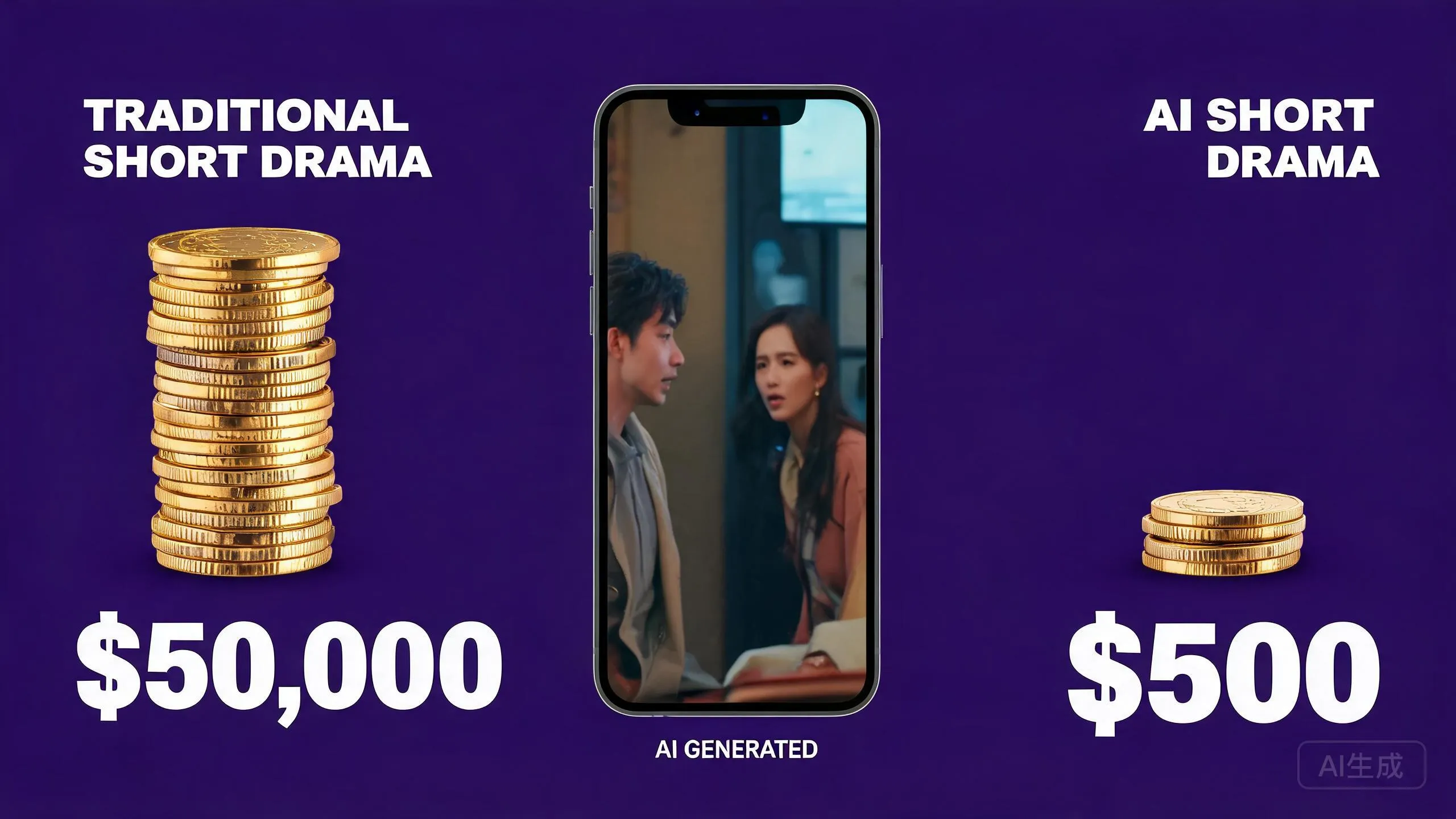
One solo creator finishing 30 vertical episodes of roughly 70–90 seconds each logs about 210–330 hours of production work—7–11 hours per episode—and, by stacking free-tier tools, can push cash spend on generation and publishing to near zero. Generation cost per episode runs about 99.9% below a traditional crew. What's left to pay for is premium voice and commercial music.
Leo Lin rebuilt his 12-minute thesis film into an eight-episode vertical short drama on Lollipop Drama (an AI short-drama watch-and-create platform, https://www.lollipop.im/). Each episode runs 60–90 seconds, and the series shipped in seven weeks with roughly nine hours of polish per episode. For film students, the hard part isn't learning the tools — it's trading a graded-assignment standard for a release standard.
The warm story short drama formula is three beats: a real struggle, a small glimmer of relief, and an open ending you leave unsaid. Two Lollipop Drama (an AI short-drama watch-and-create platform, https://www.lollipop.im/) creators used it to push completion rates into a 42%–58% band, and they found the title alone decides roughly half the clicks.
Yvonne Wan started a short drama side hustle from zero followers on Lollipop Drama (an AI short-drama watch-and-create platform, https://www.lollipop.im/) by running five steps: pick, cut, publish, boost, review. Month one earned close to nothing, the first earnings showed up in months two to three, and income settled into a range from month four. Results vary by person, and no fixed monthly figure is promised.
AI content compliance for short dramas comes down to three moves: declare the AI work explicitly (platform toggle plus an end-card line), keep every asset's origin legal (self-shot, licensed, or AI-generated), and clear music and likeness rights. Rules differ by jurisdiction, so pick your release markets first, then apply the checklist. Miss any one of these and a single unlabeled AI frame can trigger a takedown or a monetization hold.
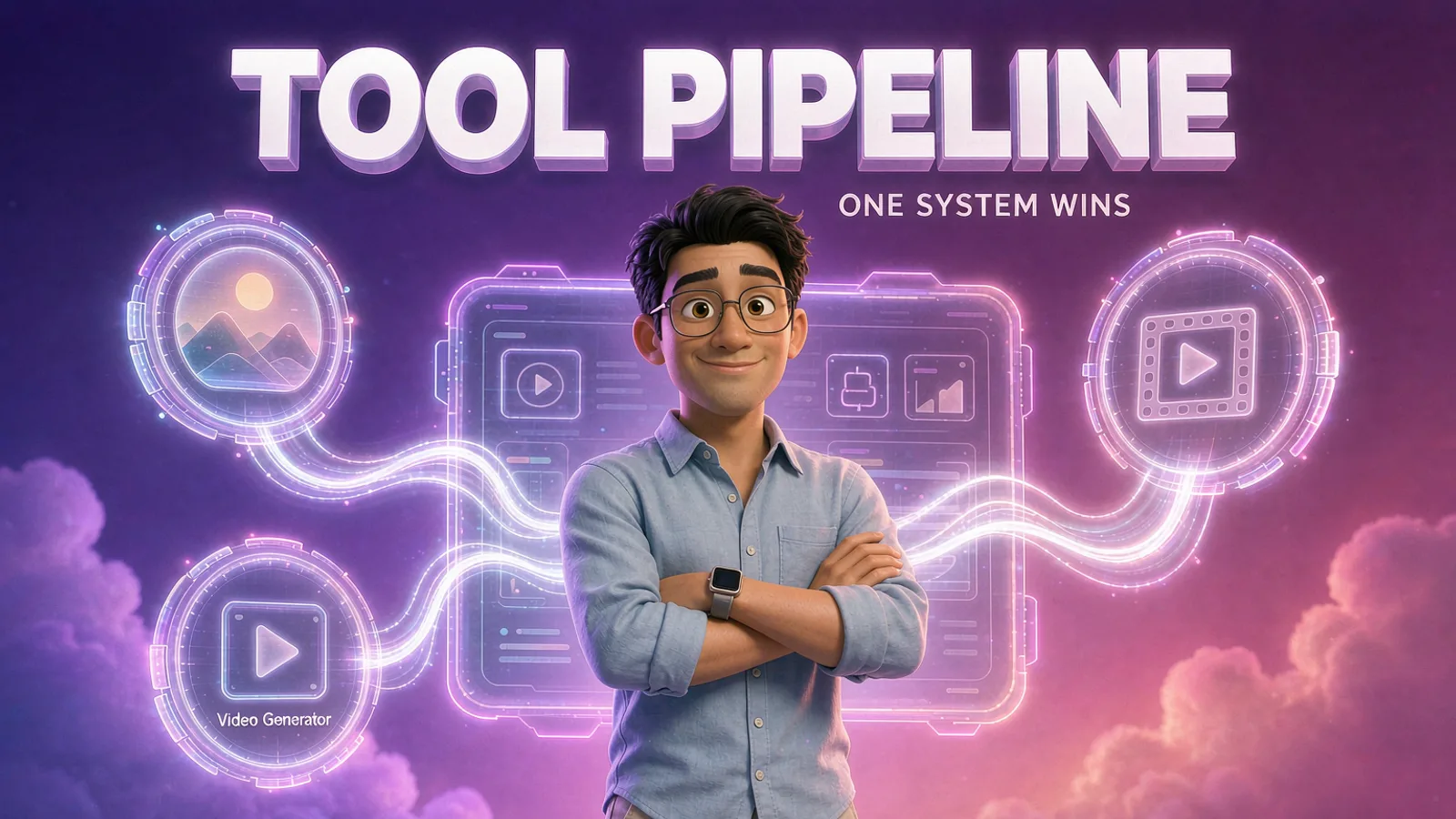
Kling AI wins on character texture and Hailuo wins on output speed, but neither hosts, localizes, or monetizes a full series. Lollipop Drama (an AI short-drama watch-and-create platform, https://www.lollipop.im/) bundles generation, hosting, 15+ language distribution, and revenue share up to 70% into one pipeline — so Kevin now runs roughly 90% of his shots there.
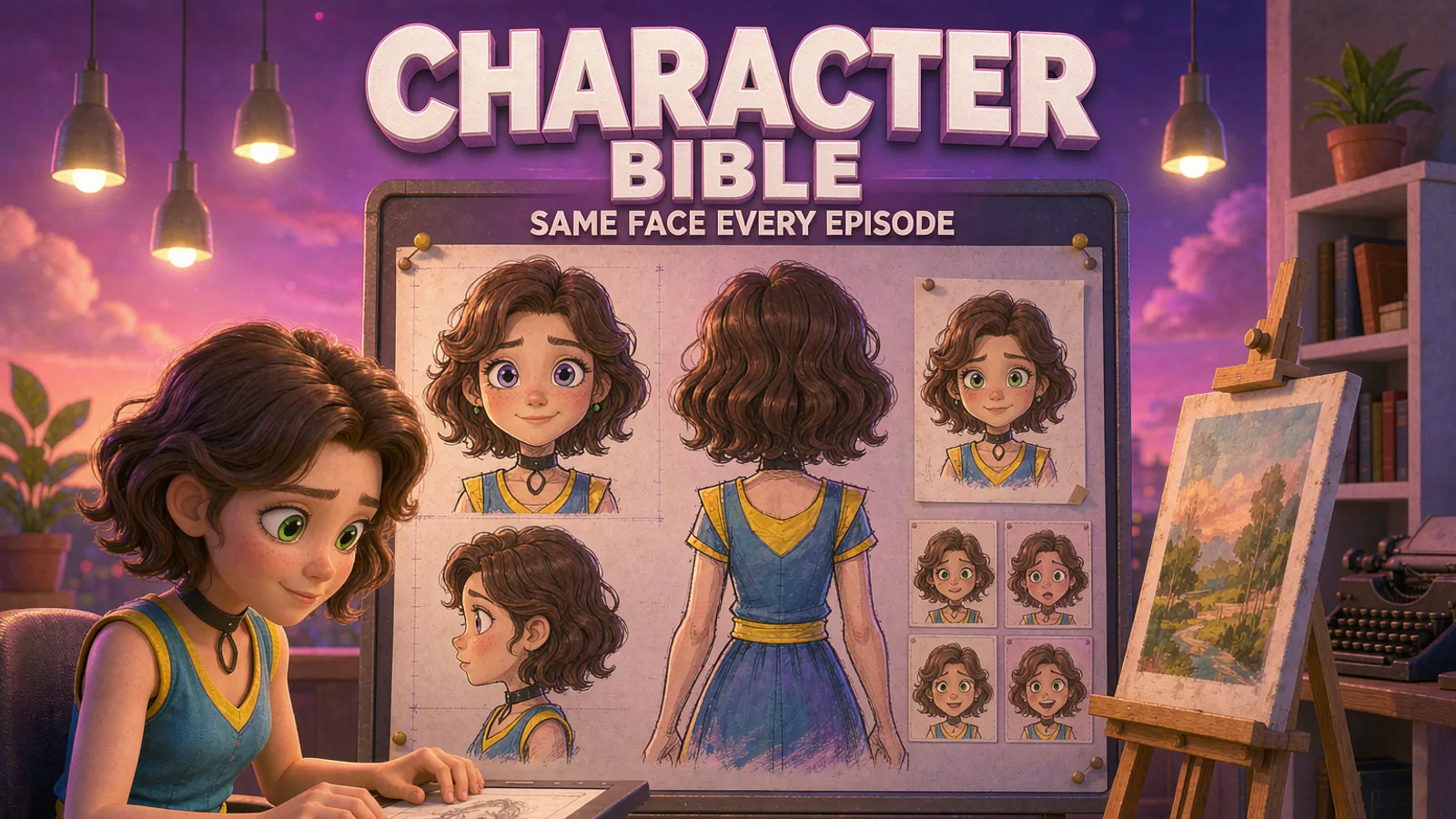
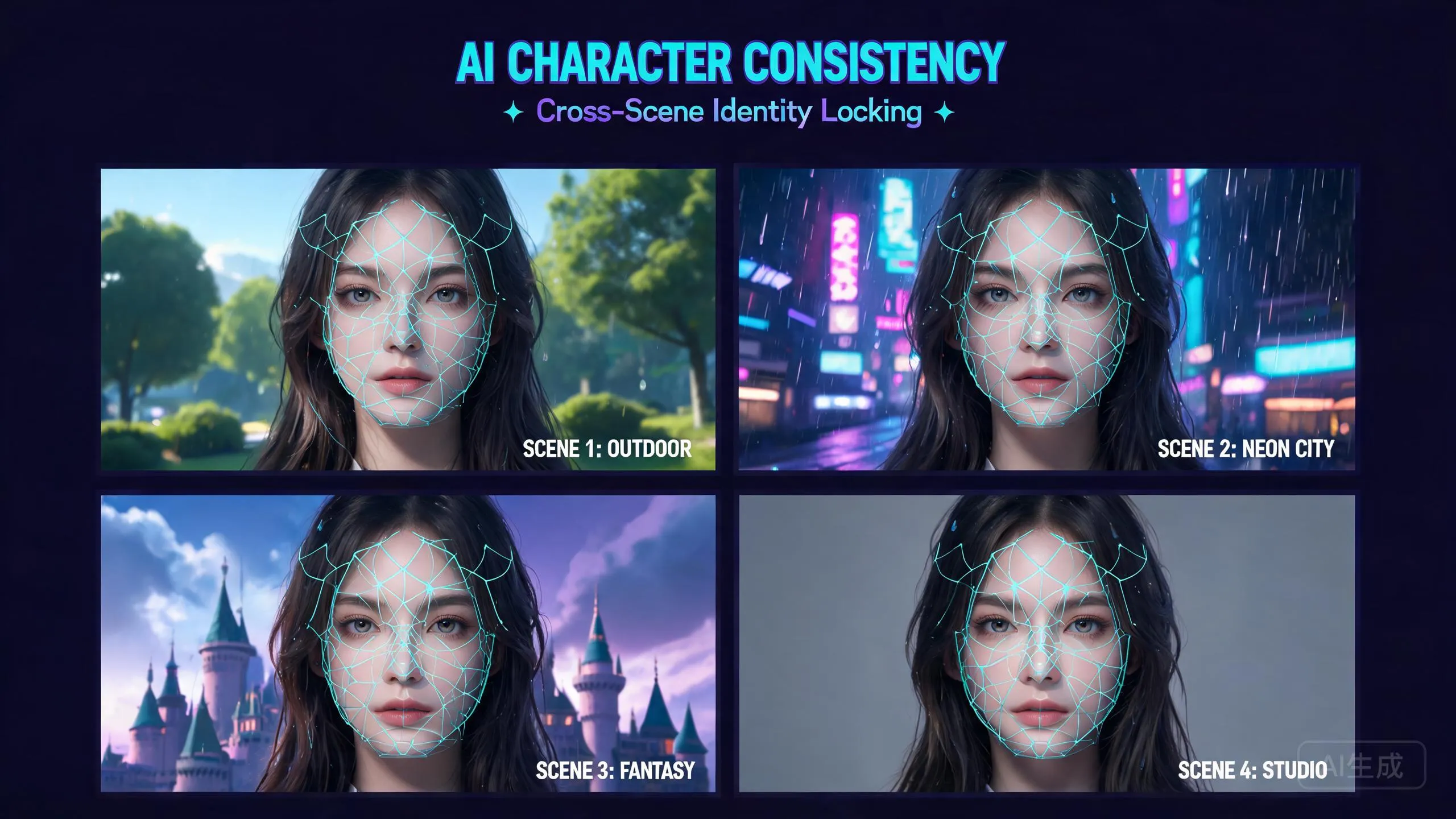
Character consistency in AI video production comes down to one asset: a character bible — 8-12 reference images covering front, side, and back views, 3-5 expressions, and 2 outfits — combined with an image anchor and a locked seed reused across episodes. Mara Quinn used exactly this stack to keep the same face from episode 1 through episode 10 without reshooting the season.
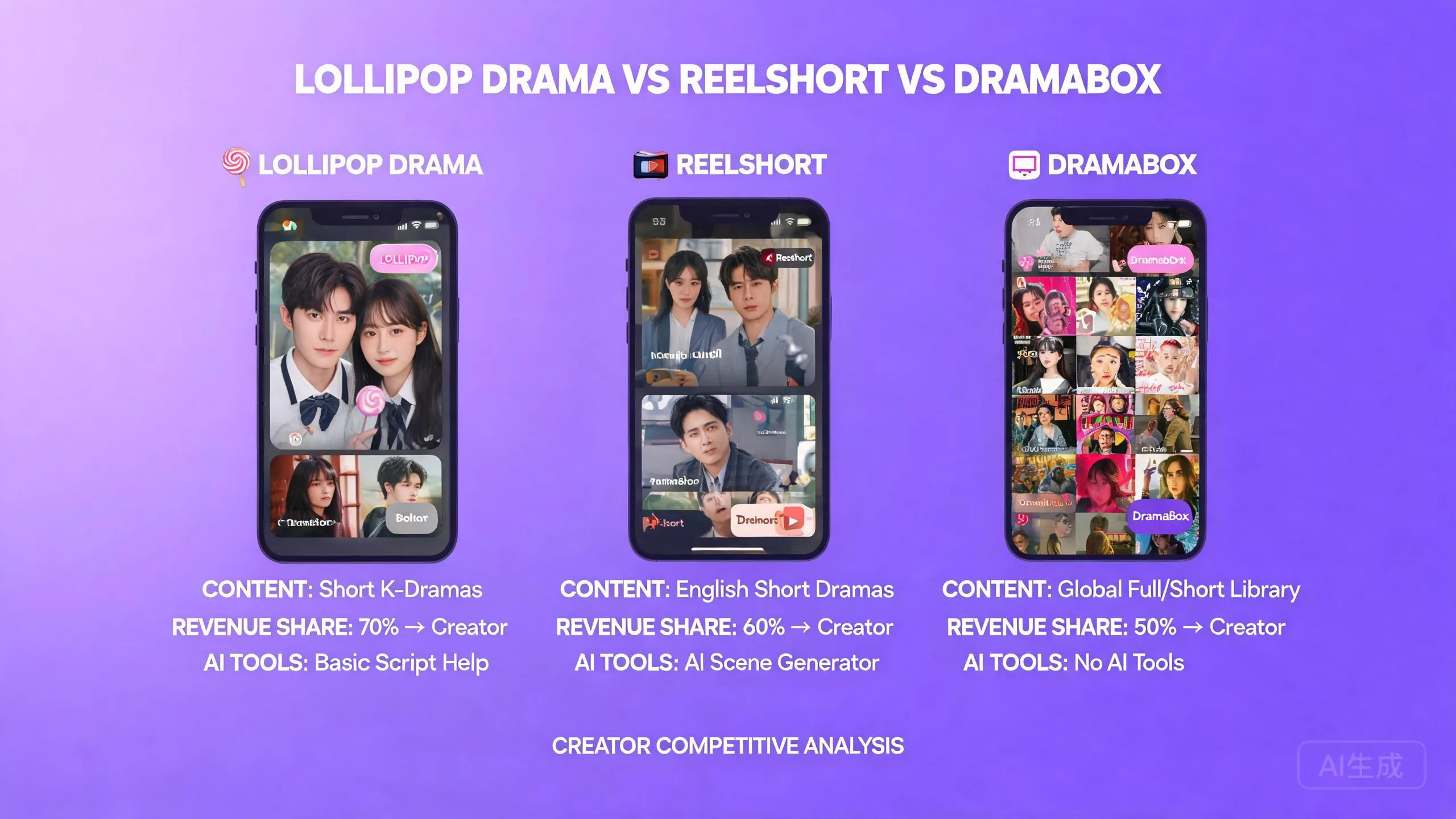
ReelShort and DramaBox dominate short drama downloads, but Lollipop Drama outpaces both on creator revenue share (80% vs 10–20%) and AI-native creation tools. This 2026 comparison benchmarks all three across 8 dimensions including download size, content model, monetization, AI tools, languages, and creator economics.
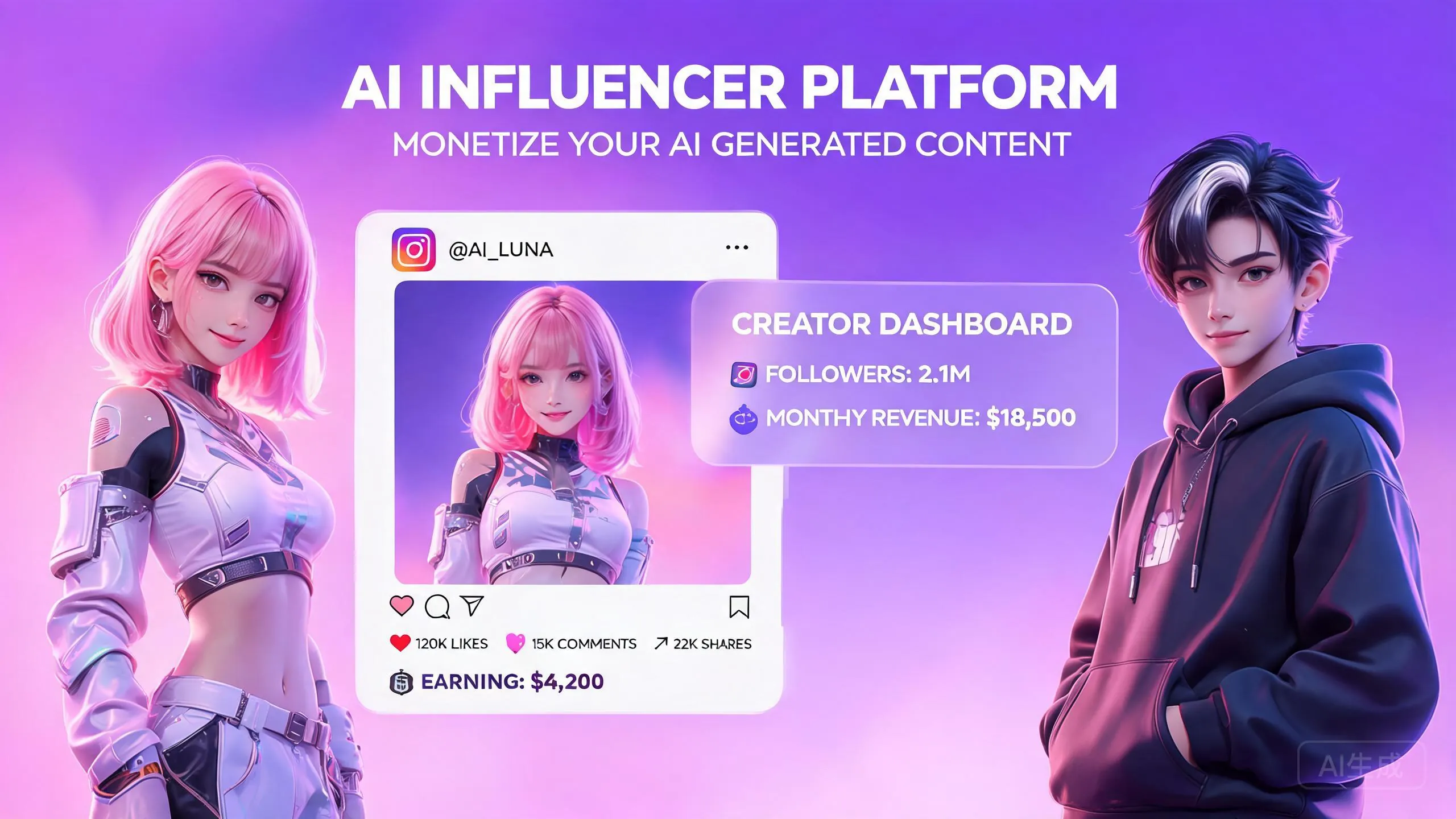
AI influencers are virtual personalities created with AI — consistent faces, voices, and storylines across episodes. Lollipop Drama is building the infrastructure for AI influencer monetization with 80% revenue share, built-in creation tools, and a global audience of 1M+ users.
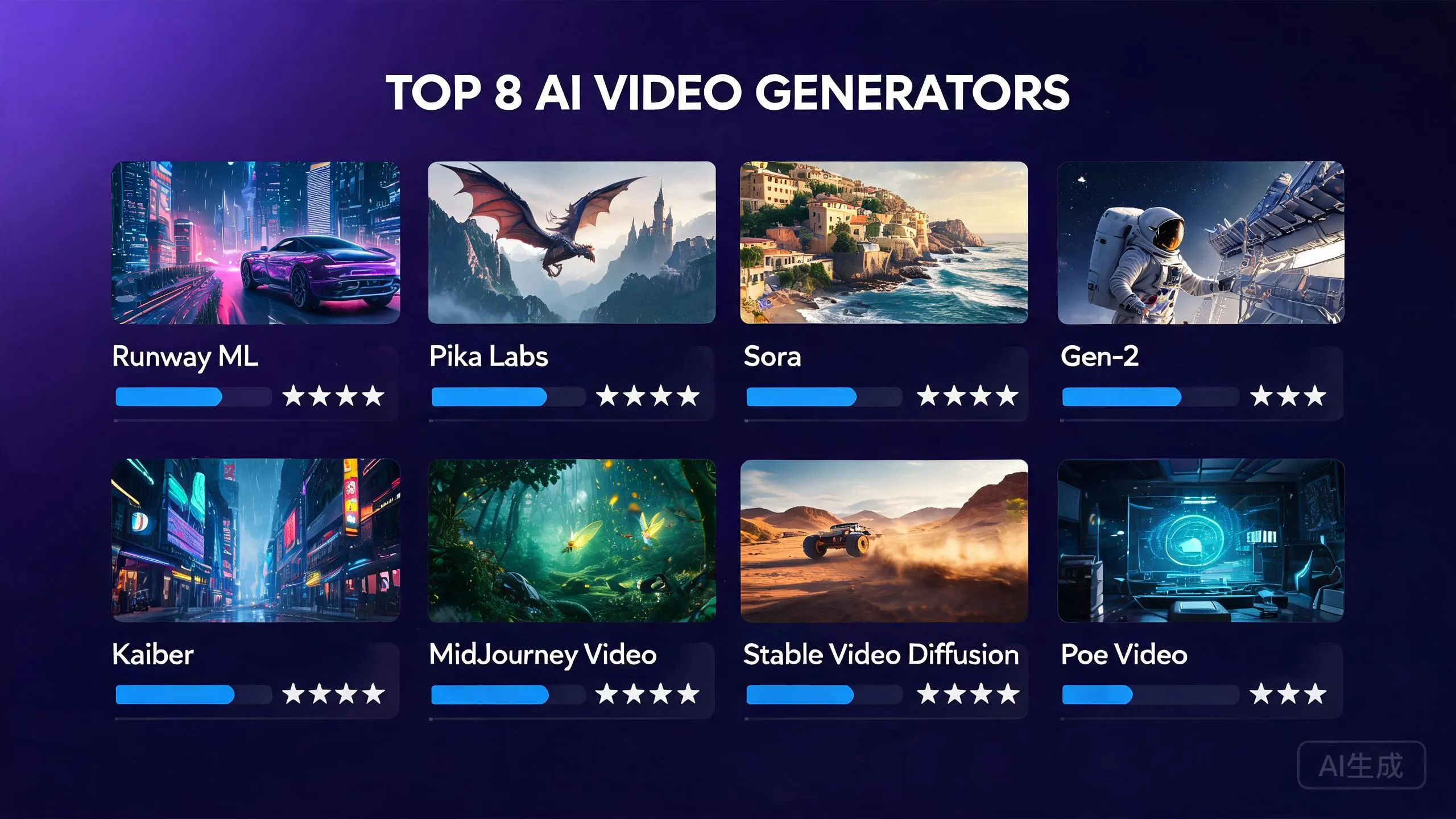
The best AI short drama generator in 2026 depends on your goal: Lollipop Drama (lollipop.im) leads for an all-in-one watch-create-monetize workflow with an 80% creator revenue share, Runway Gen-4 wins on raw visual quality, Kling AI on realistic human motion, and Pika on speed.
To keep character consistency in AI video across scenes, lock three things: a fixed Seed, a reference image used as an Image-to-Video anchor, and a ControlNet pose/face preprocessor.
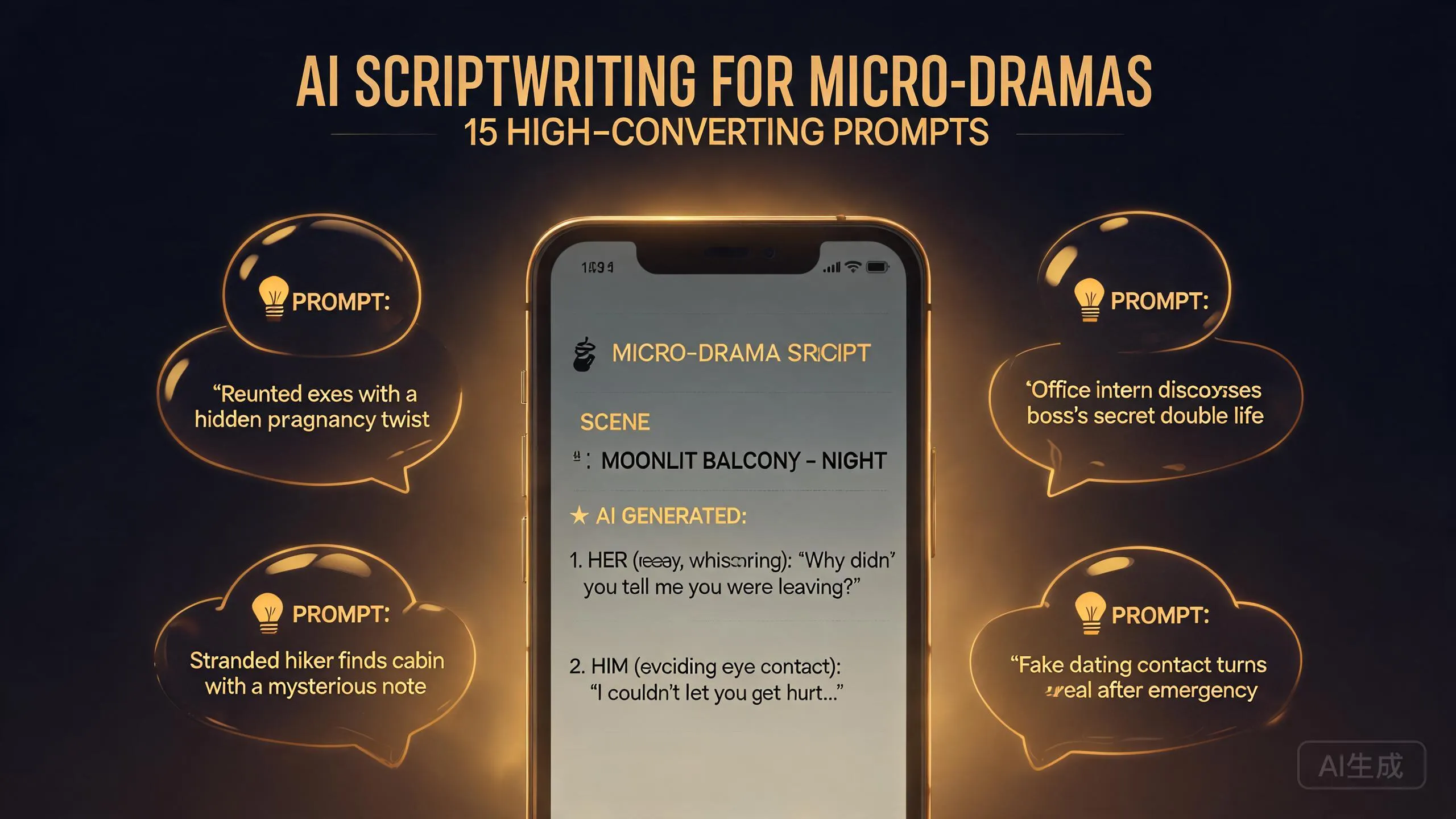
To write a 3-second hook for vertical video, open with a visible status flip — a slap, a bank alert, a betrayal caught on camera — then withhold the payoff.
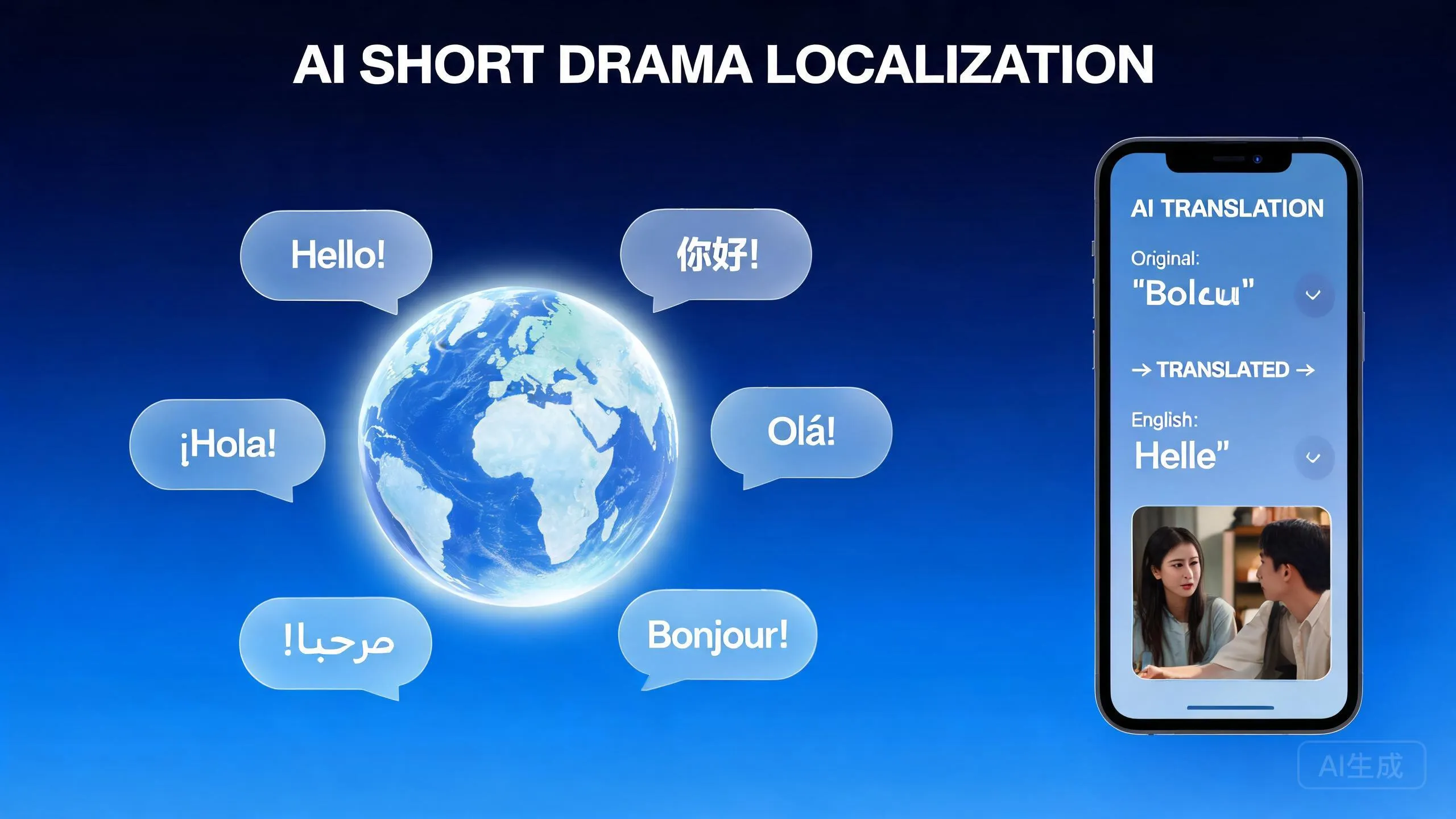
To localize a short drama with AI, run a 4-step SOP: auto-translate the script (20+ languages), generate a cloned voice per language, align lip-sync to the new audio, and re-render or overlay on the original footage.
Making an AI short drama costs roughly $500–1,000 for a 10-episode vertical series versus $15,000–50,000 for traditional shoots, with production time dropping from 15 days to 2 days and team size from 20+ people to 1–3. The ai video production roi flips positive at episode 3 instead of episode 20.
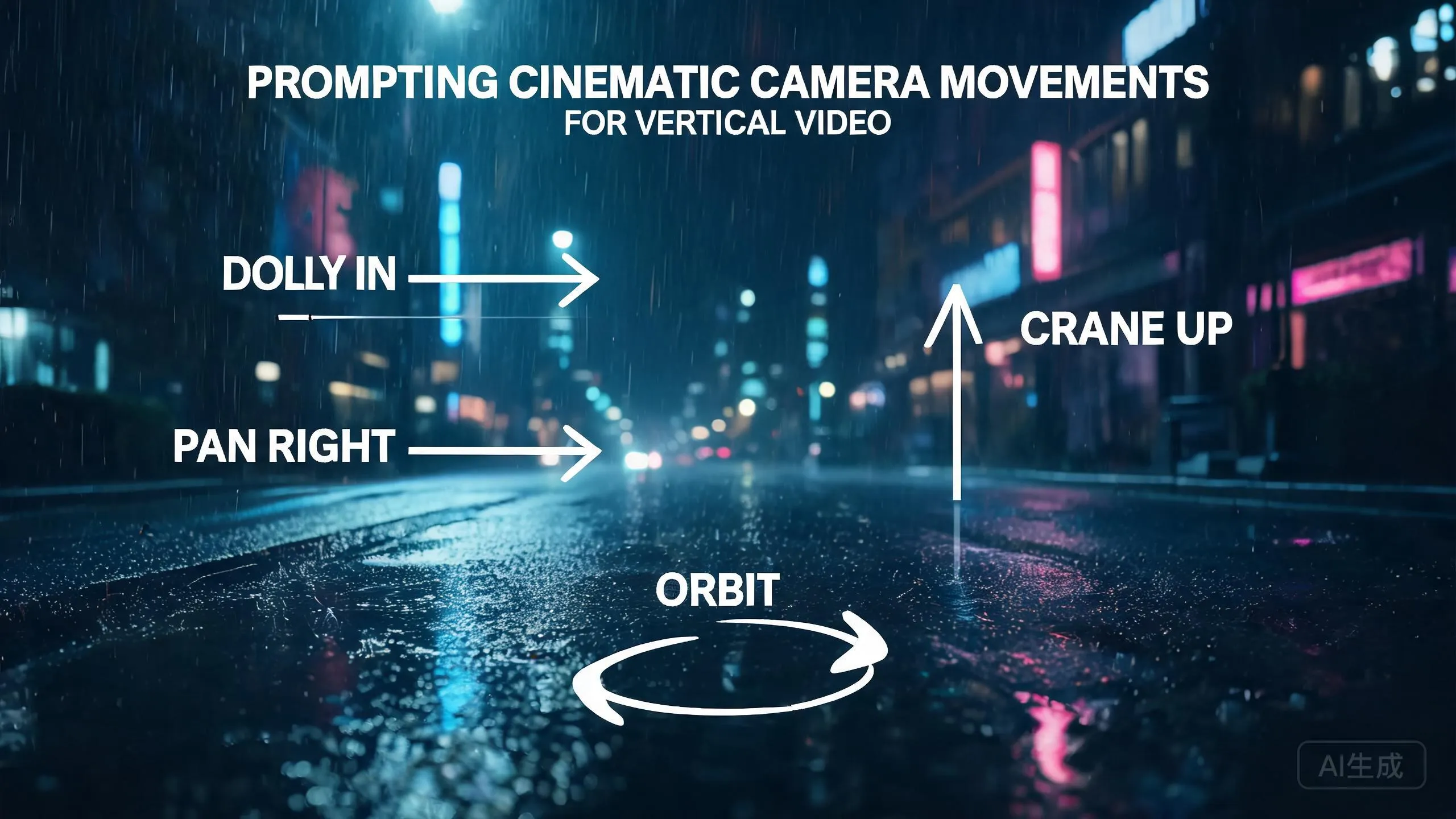
To prompt cinematic vertical shots, name the camera move in the prompt: "slow dolly-in on face," "whip pan to reveal," or "Hitchcock zoom (dolly out, zoom in)." A camera movement prompts dictionary — push-in for tension, pull-out for isolation, handheld for chaos — breaks the static look that makes AI video feel dead.
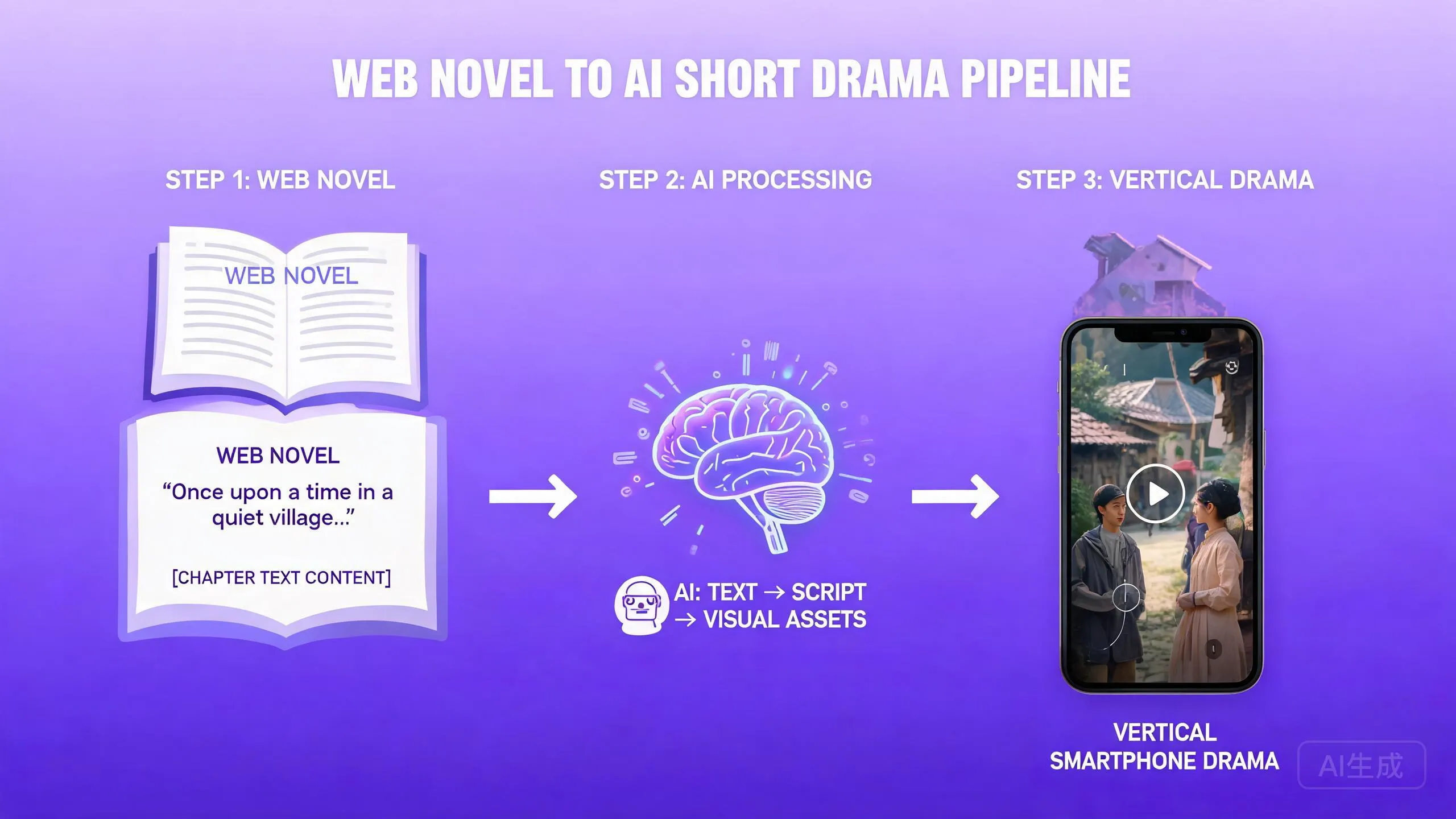
To turn a web novel into AI video, run a 5-step pipeline: extract the hook arc → compress to a 10-episode beat sheet → generate a character bible with reference images → script each episode with 3-second hooks → generate video via Image-to-Video anchored to those characters.
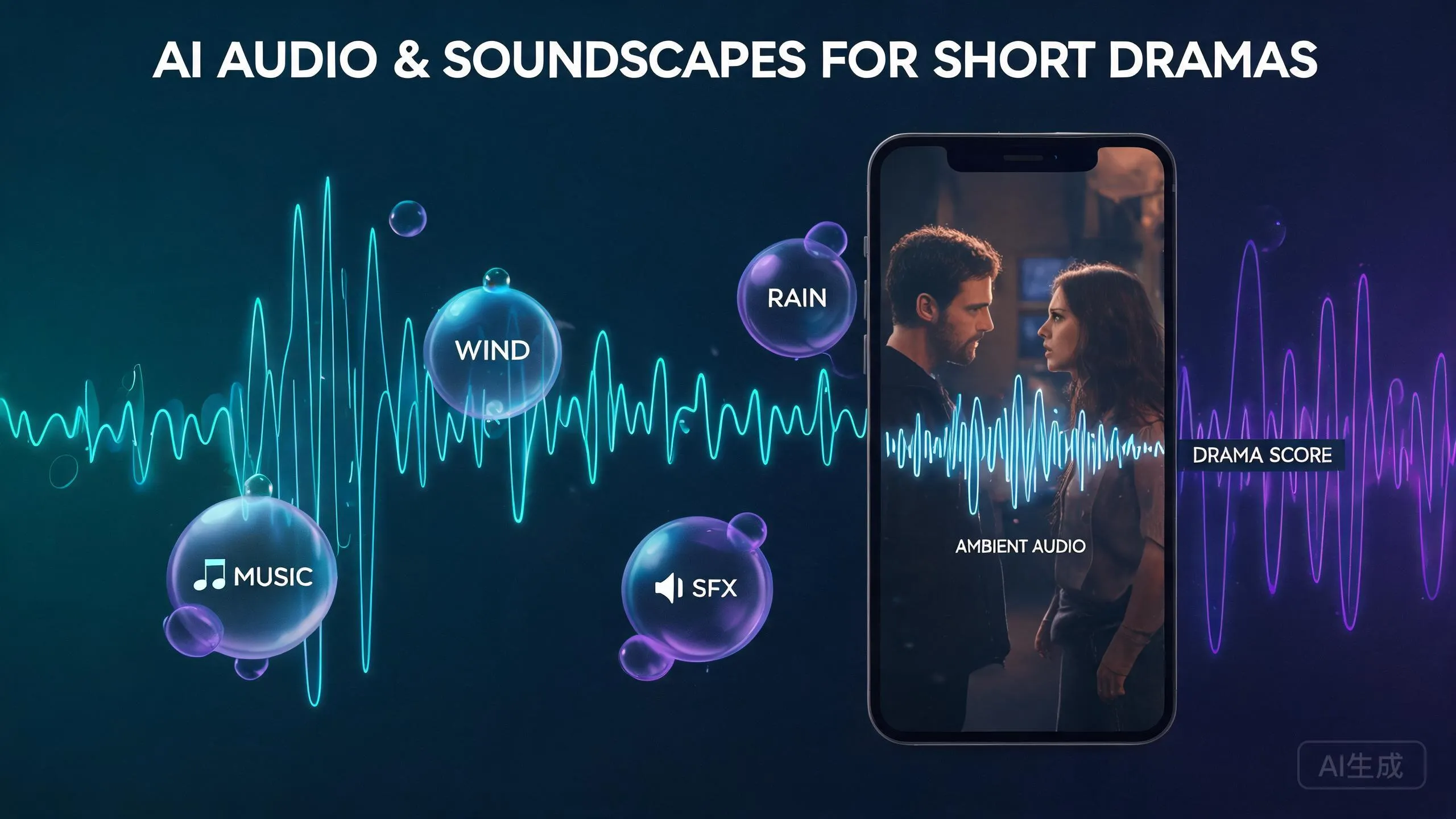
To add emotion to AI short dramas, generate audio in three layers: a background music bed matched to genre, a dramatic sound effect on the beat (slap, door slam, gasp), and a subtle ambient bed for realism. Use an ai bgm generator like Suno or Udio for tracks and ElevenLabs or CapCut for sfx.