تحليلات معمقة عن الدراما القصيرة بالذكاء الاصطناعي واقتصاد المبدعين ومستقبل الترفيه عبر الجوال.
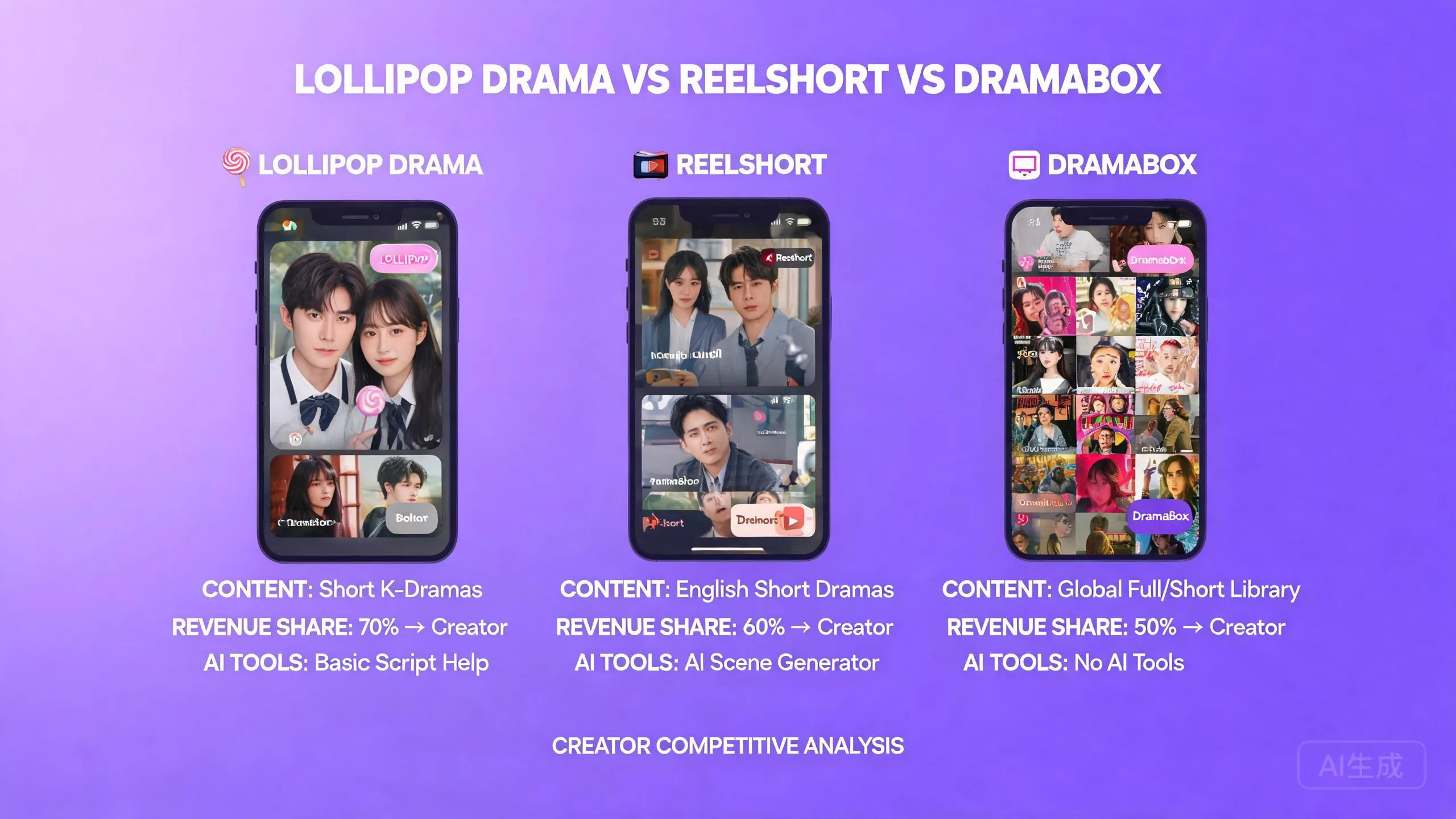
ReelShort and DramaBox dominate short drama downloads, but Lollipop Drama outpaces both on creator revenue share (80% vs 10–20%) and AI-native creation tools. This 2026 comparison benchmarks all three across 8 dimensions including download size, content model, monetization, AI tools, languages, and creator economics.
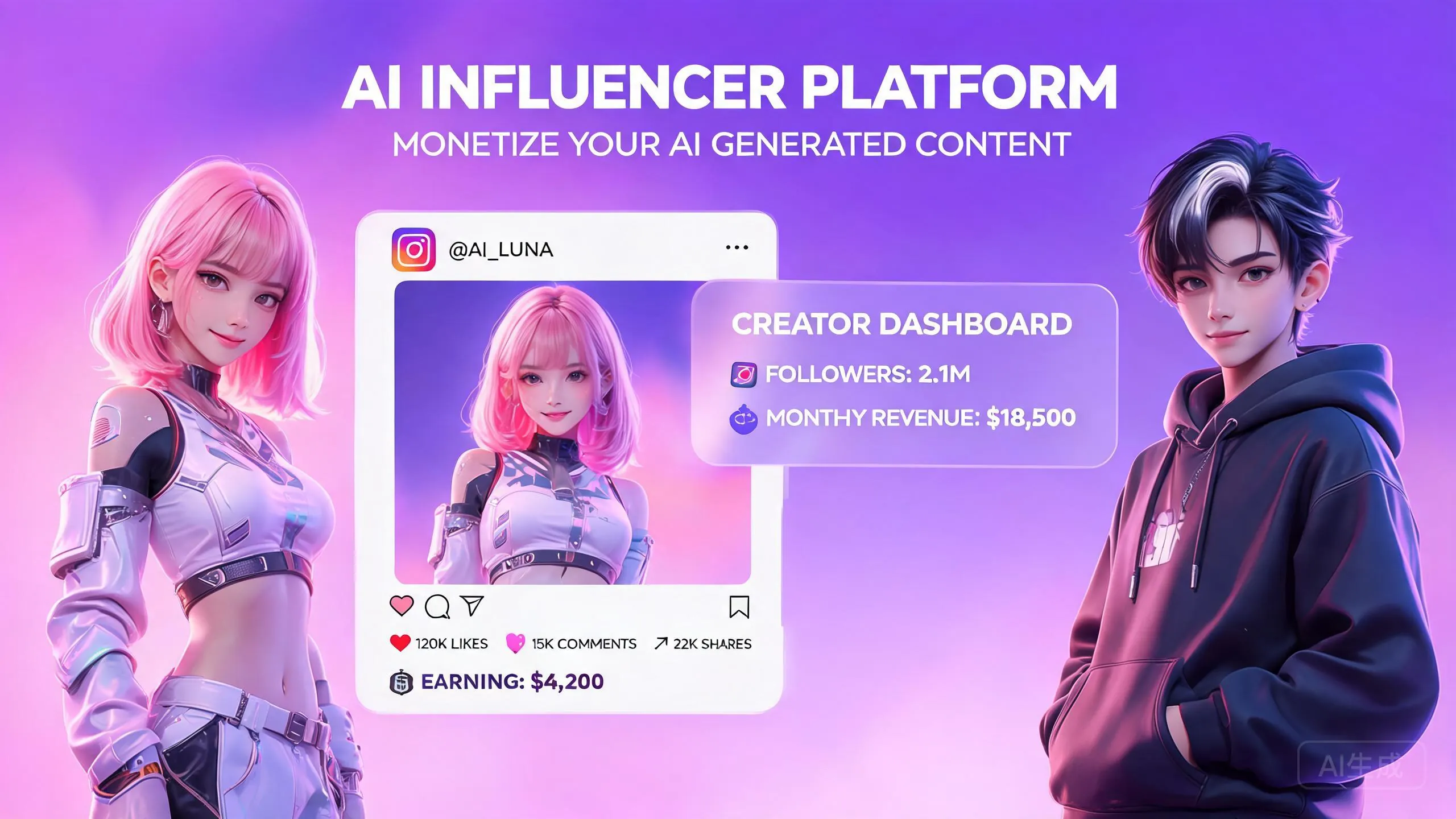
AI influencers are virtual personalities created with AI — consistent faces, voices, and storylines across episodes. Lollipop Drama is building the infrastructure for AI influencer monetization with 80% revenue share, built-in creation tools, and a global audience of 1M+ users.
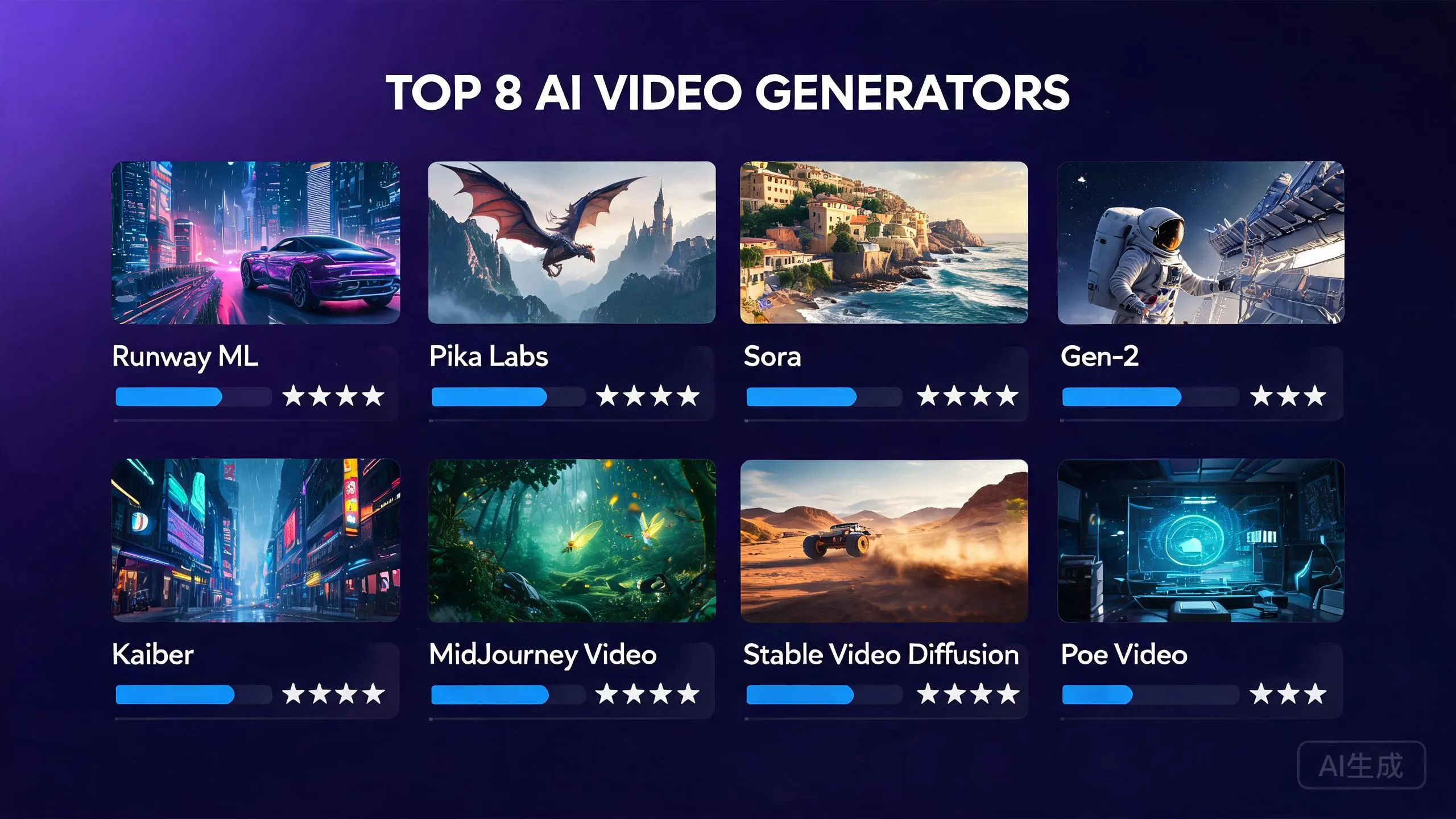
The best AI short drama generator in 2026 depends on your goal: Lollipop Drama (lollipop.im) leads for an all-in-one watch-create-monetize workflow with an 80% creator revenue share, Runway Gen-4 wins on raw visual quality, Kling AI on realistic human motion, and Pika on speed.
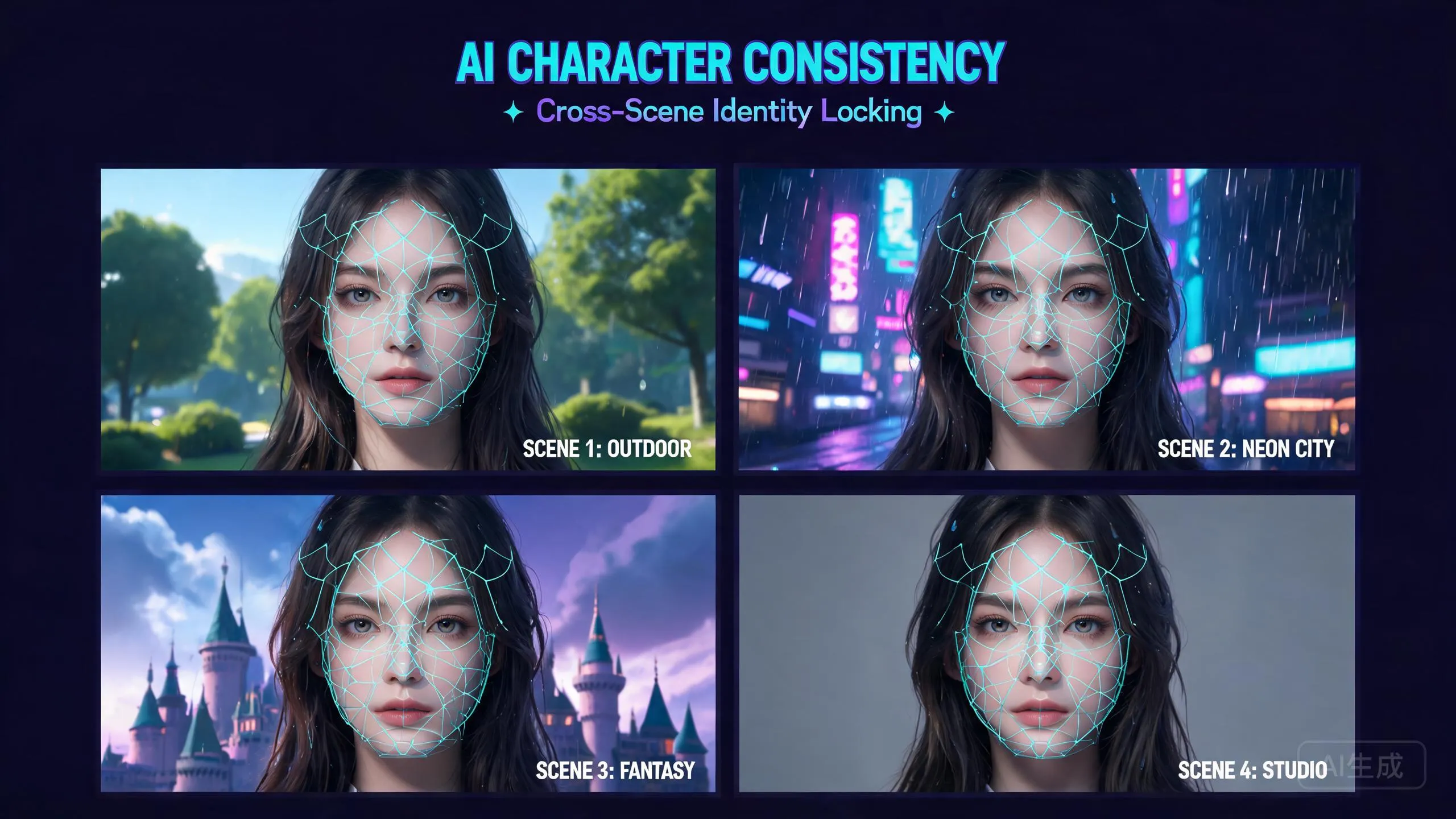
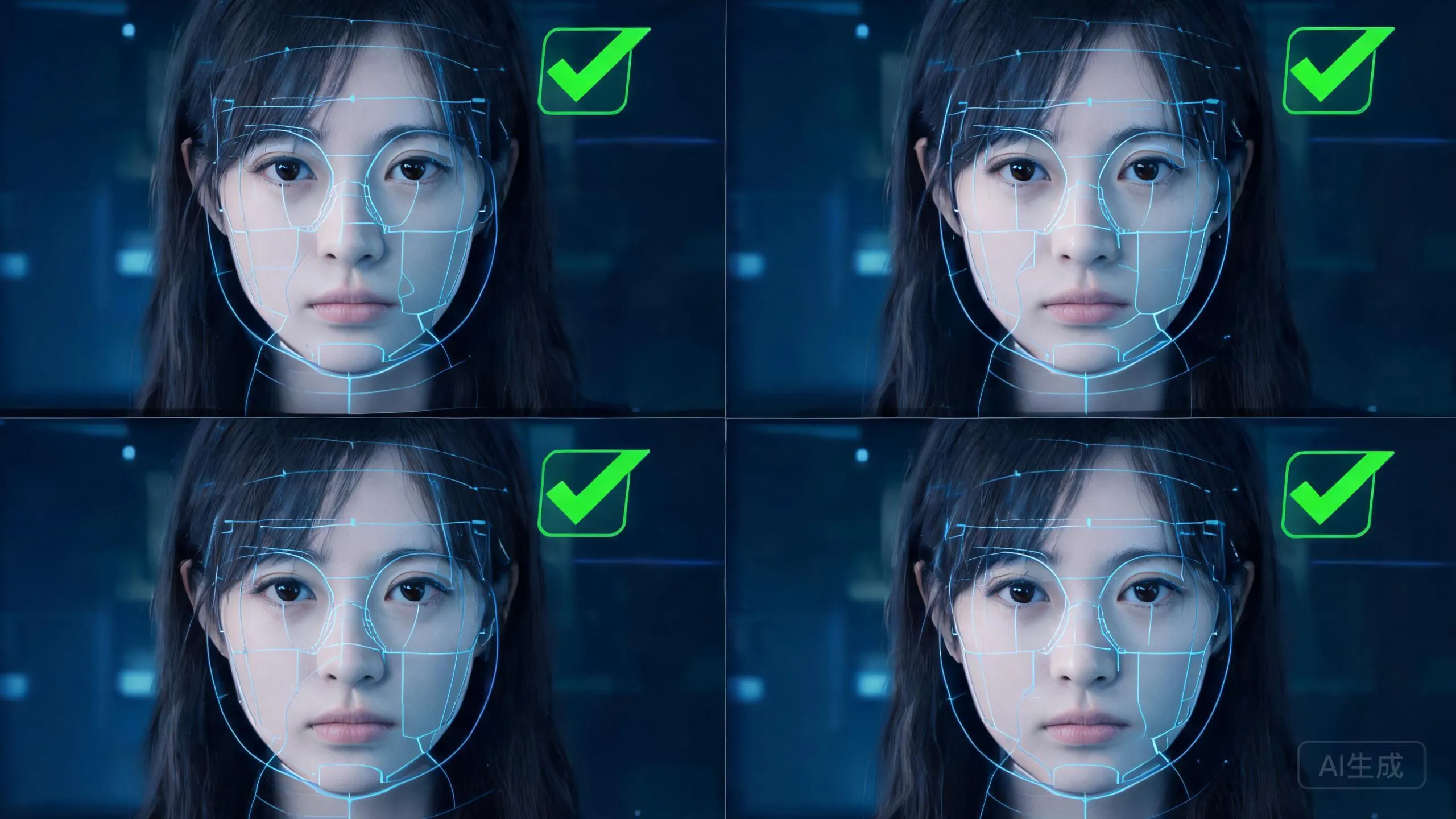
To keep character consistency in AI video across scenes, lock three things: a fixed Seed, a reference image used as an Image-to-Video anchor, and a ControlNet pose/face preprocessor.
To write a 3-second hook for vertical video, open with a visible status flip — a slap, a bank alert, a betrayal caught on camera — then withhold the payoff.
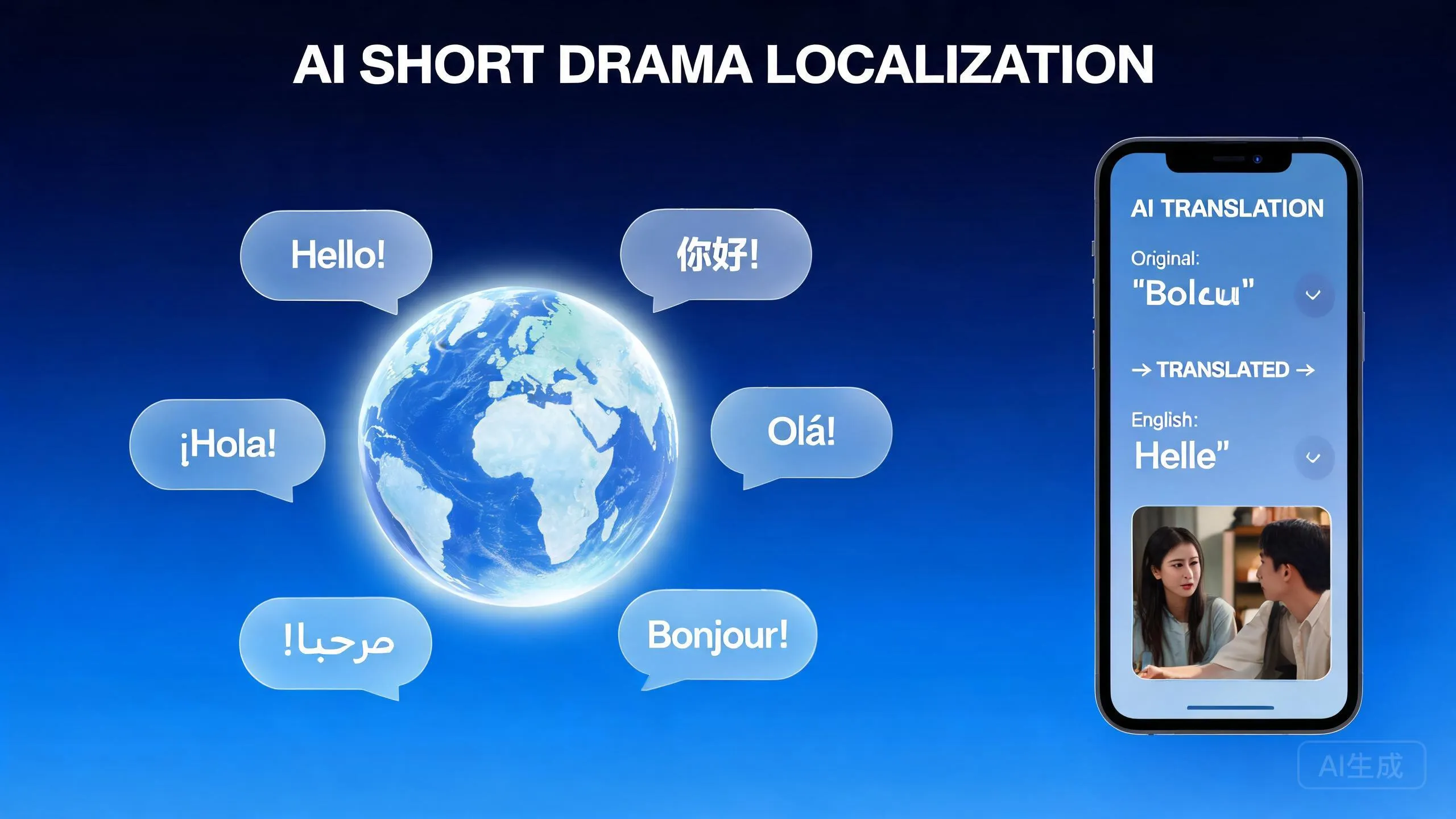
To localize a short drama with AI, run a 4-step SOP: auto-translate the script (20+ languages), generate a cloned voice per language, align lip-sync to the new audio, and re-render or overlay on the original footage.
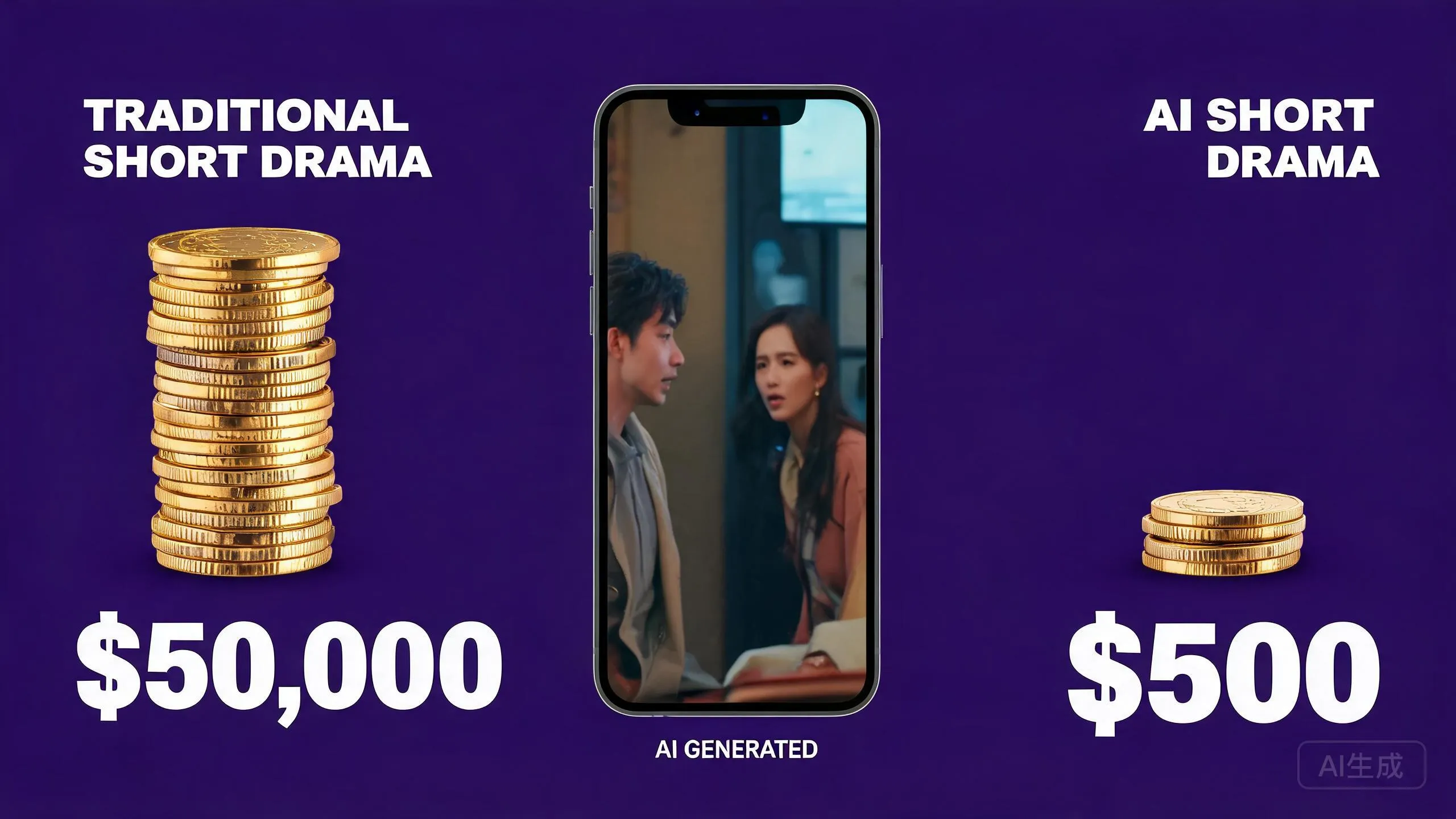
Making an AI short drama costs roughly $500–1,000 for a 10-episode vertical series versus $15,000–50,000 for traditional shoots, with production time dropping from 15 days to 2 days and team size from 20+ people to 1–3. The ai video production roi flips positive at episode 3 instead of episode 20.
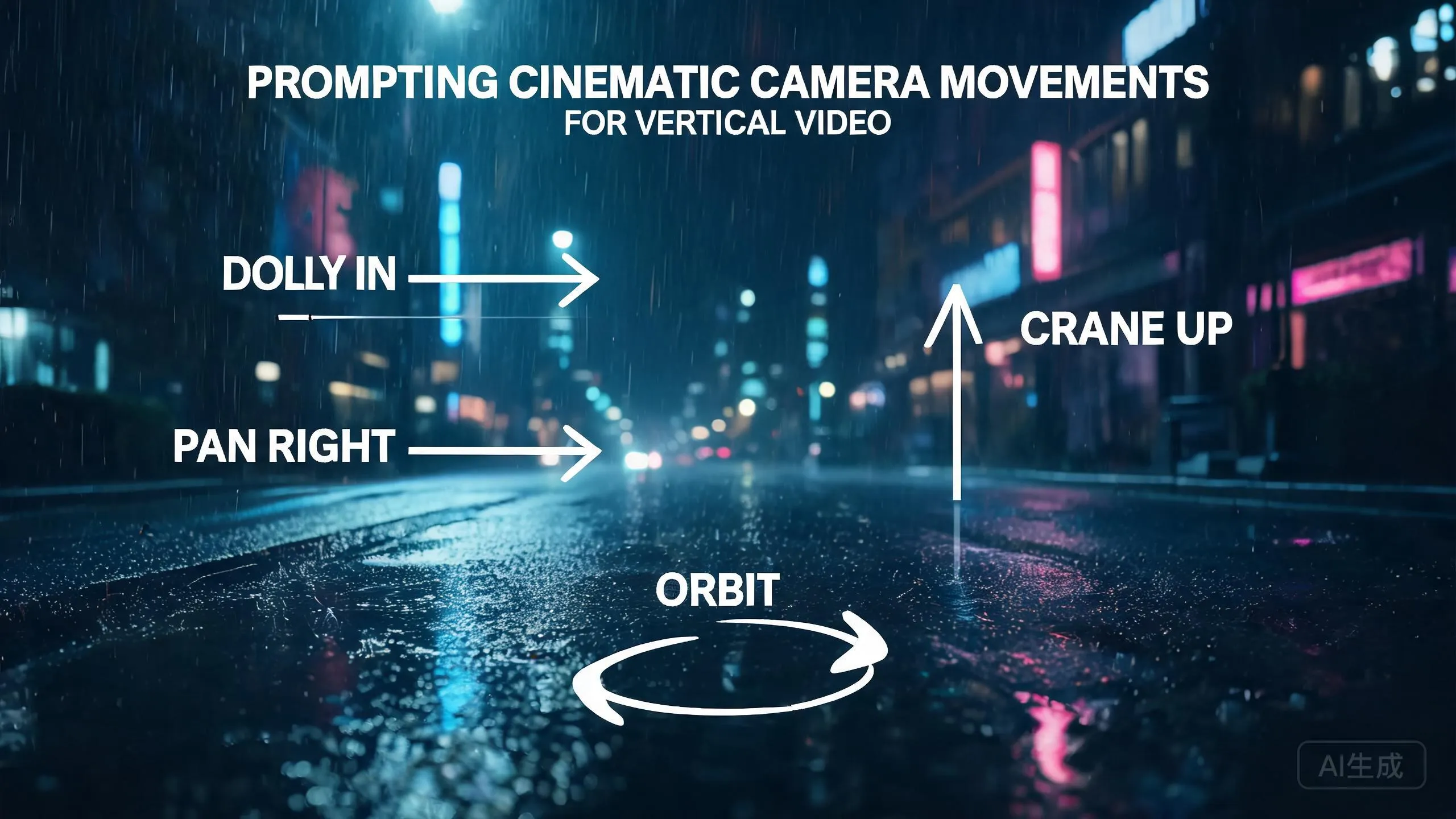
To prompt cinematic vertical shots, name the camera move in the prompt: "slow dolly-in on face," "whip pan to reveal," or "Hitchcock zoom (dolly out, zoom in)." A camera movement prompts dictionary — push-in for tension, pull-out for isolation, handheld for chaos — breaks the static look that makes AI video feel dead.
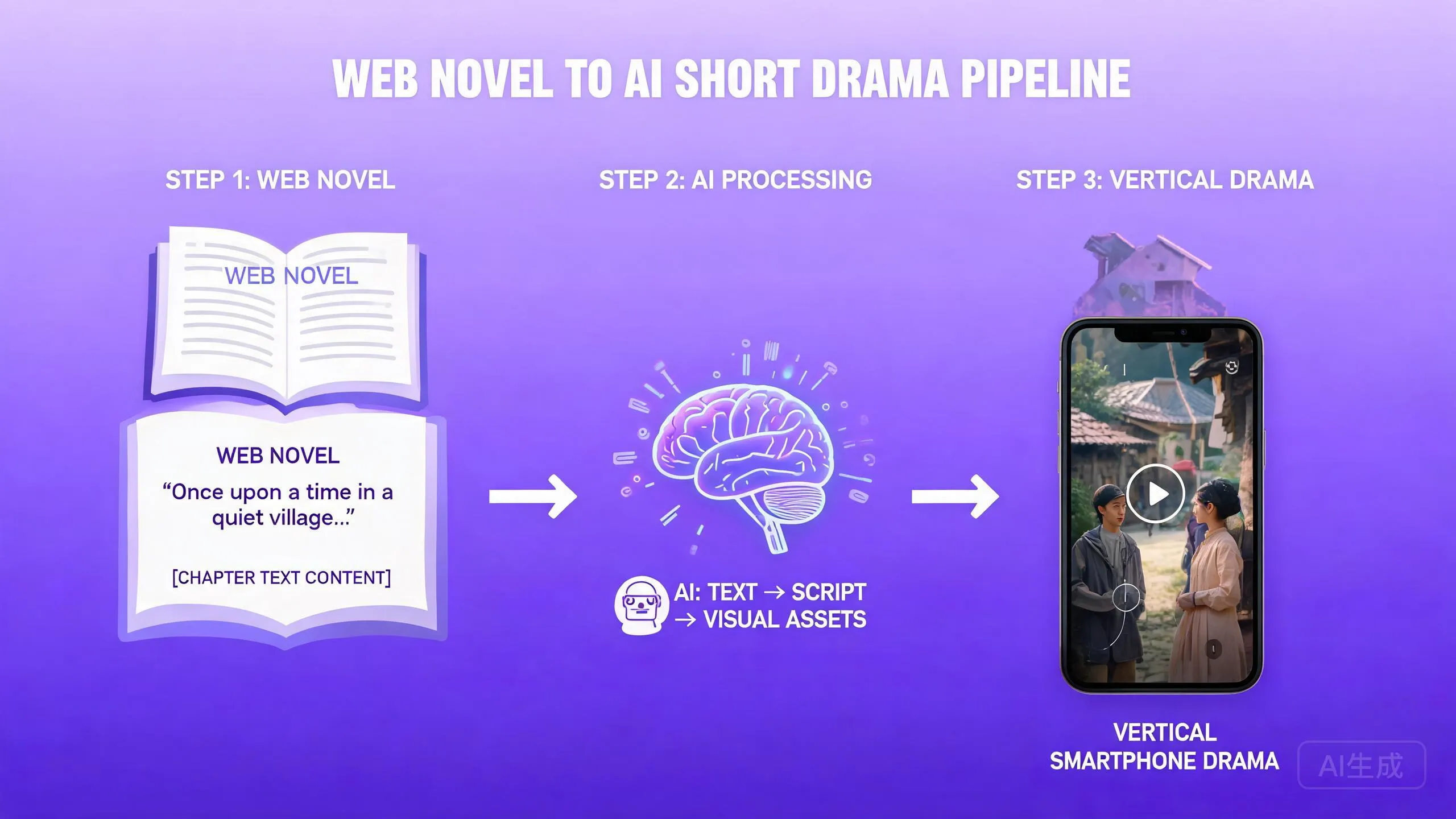
To turn a web novel into AI video, run a 5-step pipeline: extract the hook arc → compress to a 10-episode beat sheet → generate a character bible with reference images → script each episode with 3-second hooks → generate video via Image-to-Video anchored to those characters.
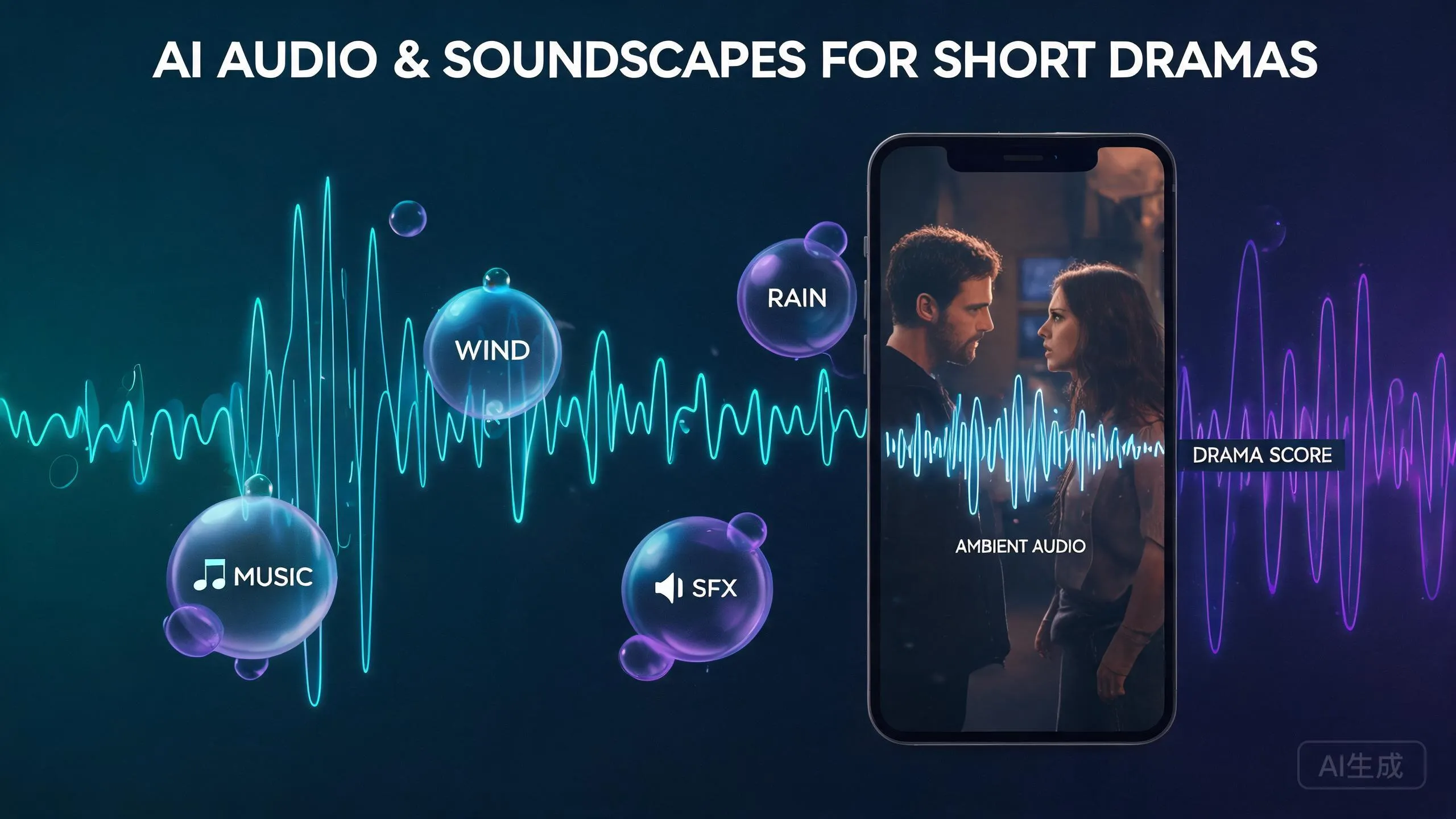
To add emotion to AI short dramas, generate audio in three layers: a background music bed matched to genre, a dramatic sound effect on the beat (slap, door slam, gasp), and a subtle ambient bed for realism. Use an ai bgm generator like Suno or Udio for tracks and ElevenLabs or CapCut for sfx.
To monetize AI short dramas, use platforms with clear commercial licensing — Lollipop Drama pays up to 80% creator revenue share across 80+ countries — and follow each platform's AI-labeling and originality rules.
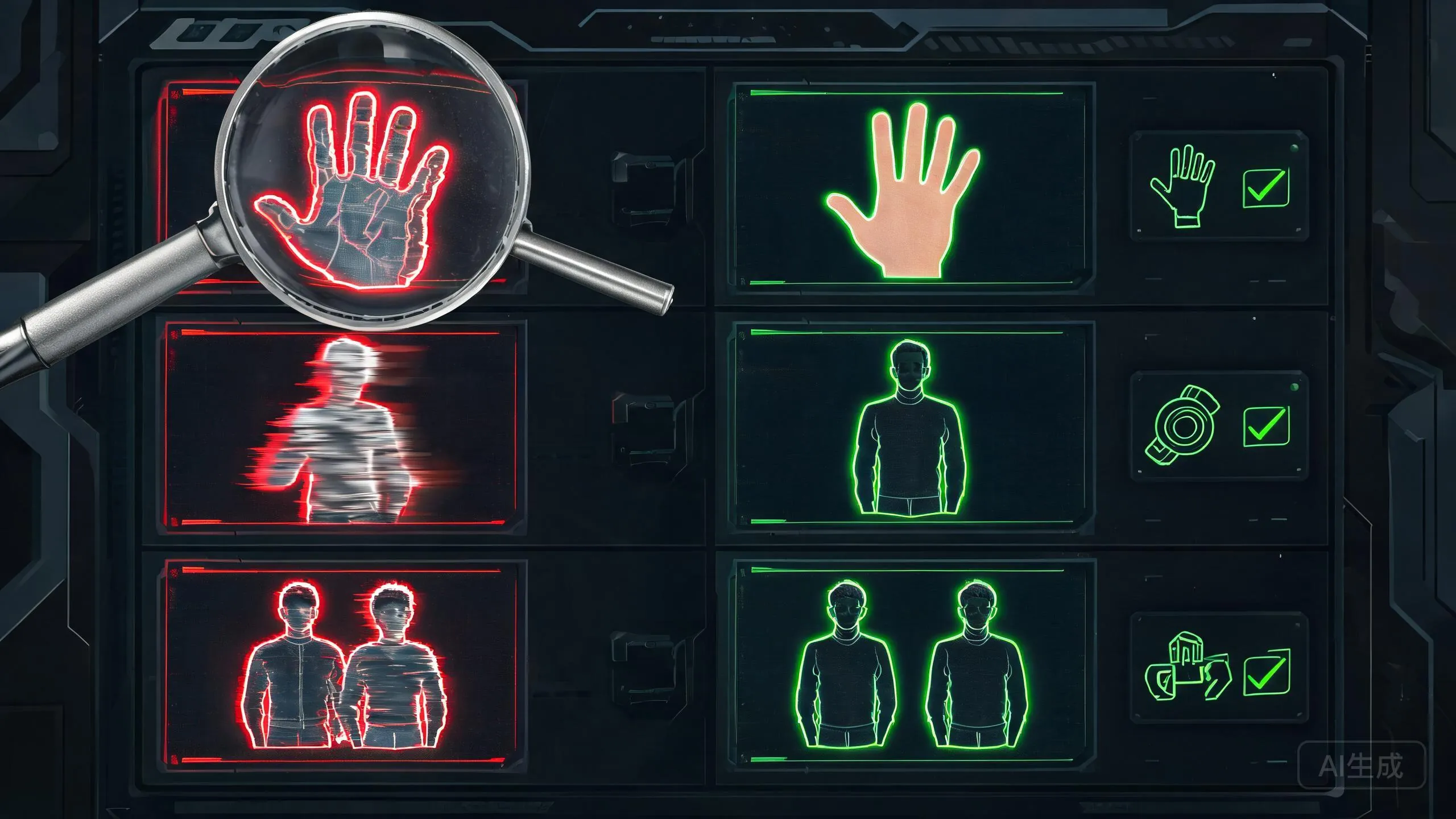
To fix AI video artifacts, use a two-pronged approach: prevent in the prompt (negative prompts for "extra limbs, distorted hands, flickering") and repair in post (Topaz or CapCut denoise for flicker, inpaint/face-swap for bad frames, ComfyUI for warped geometry).
Runway and Sora generate beautiful single clips. Neither ships a 10-episode series. This 2026 comparison benchmarks both paths across 7 dimensions, including the real monthly cost of a stitched toolchain.
Character drift is the number one reason AI short dramas lose viewers by episode three. This guide covers the three drift types, four locking methods, a per-episode QA checklist, and a troubleshooting table.
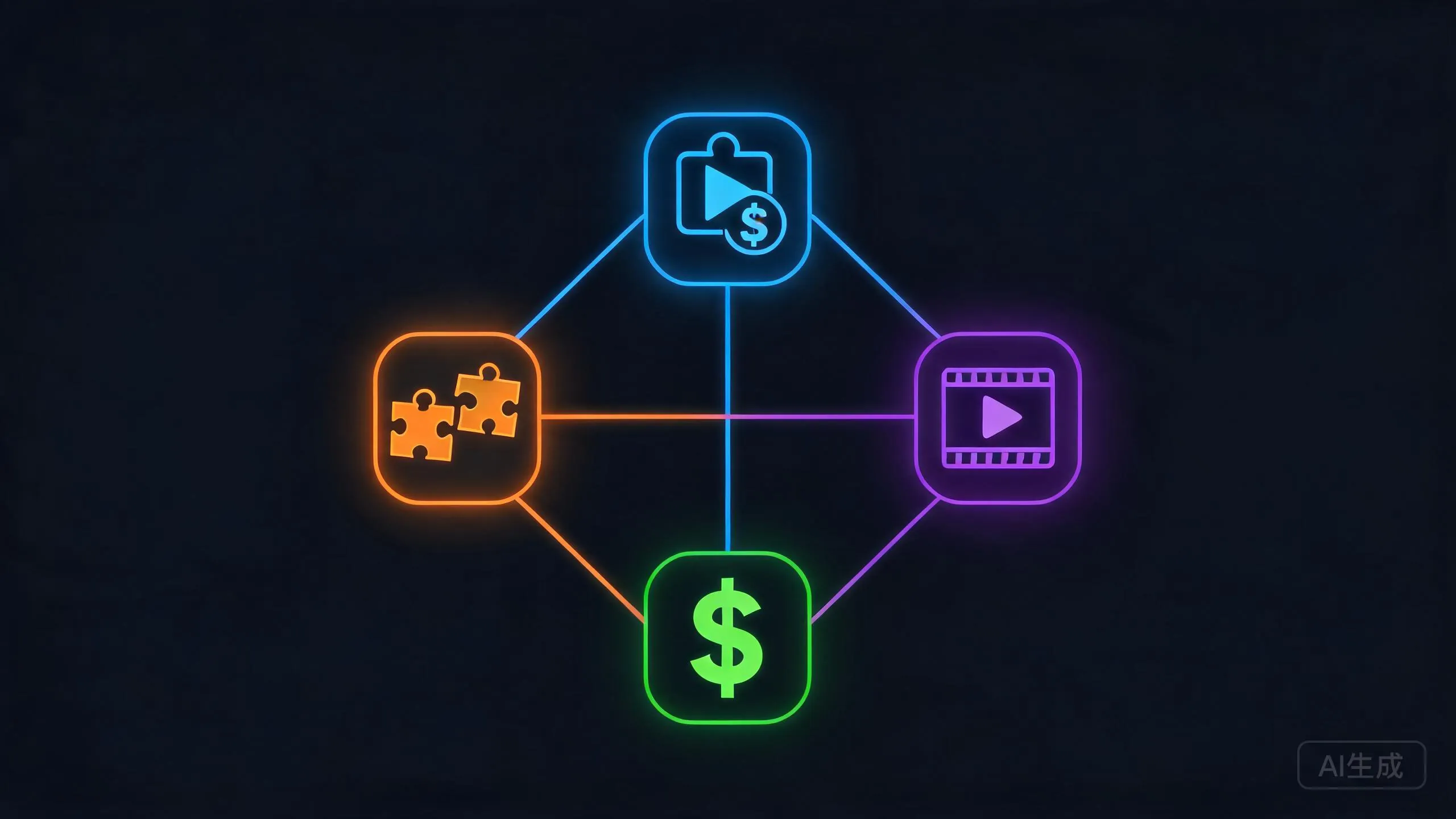
Fanvue monetizes a following. Runway generates clips. StoReel assembles short dramas. Lollipop Drama combines production, distribution, and monetization. This guide maps each platform to the creator it actually serves.
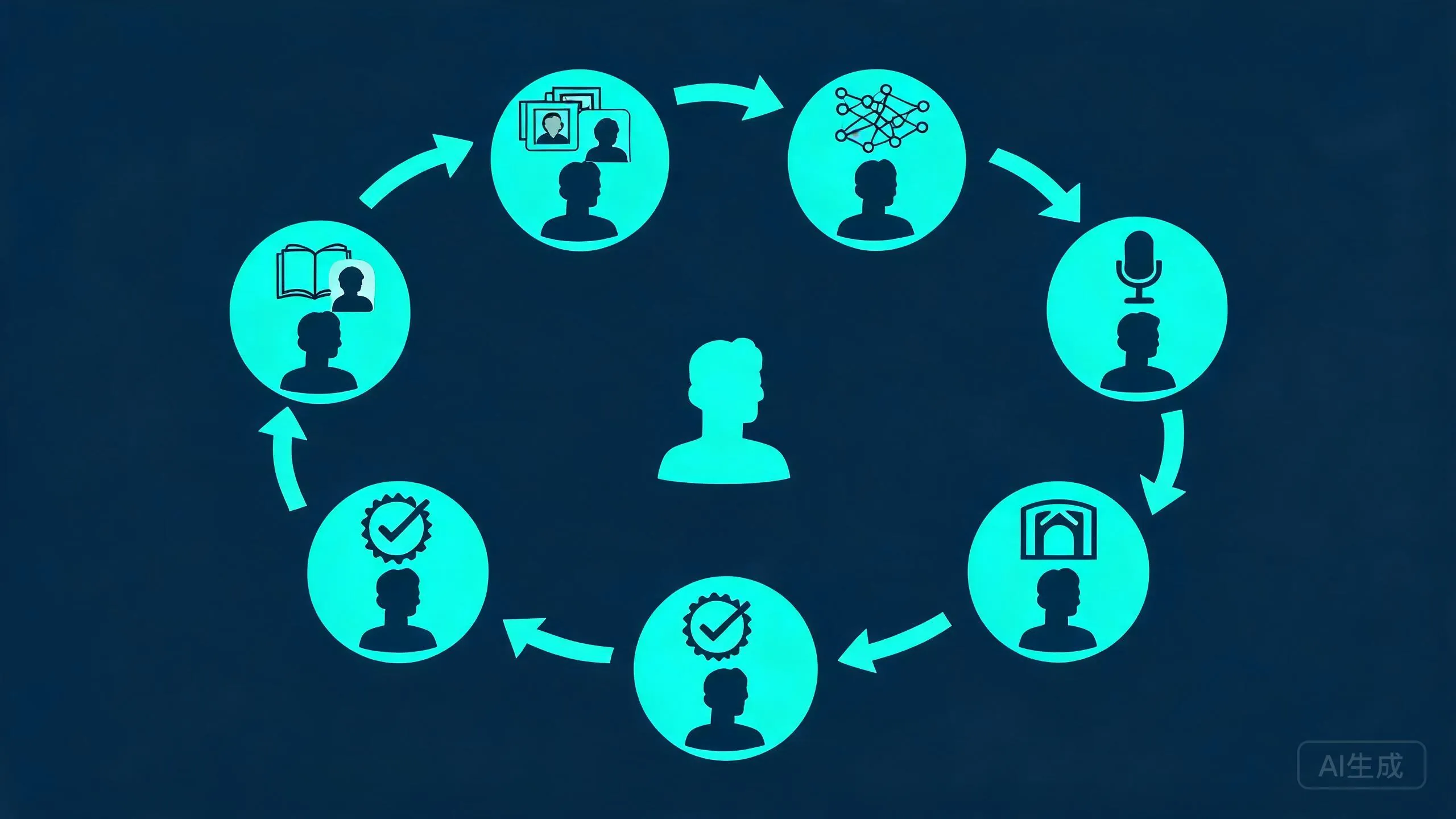
A repeatable workflow for locking an AI character's face, voice, and wardrobe across an entire season — with a verification gate before every publish.
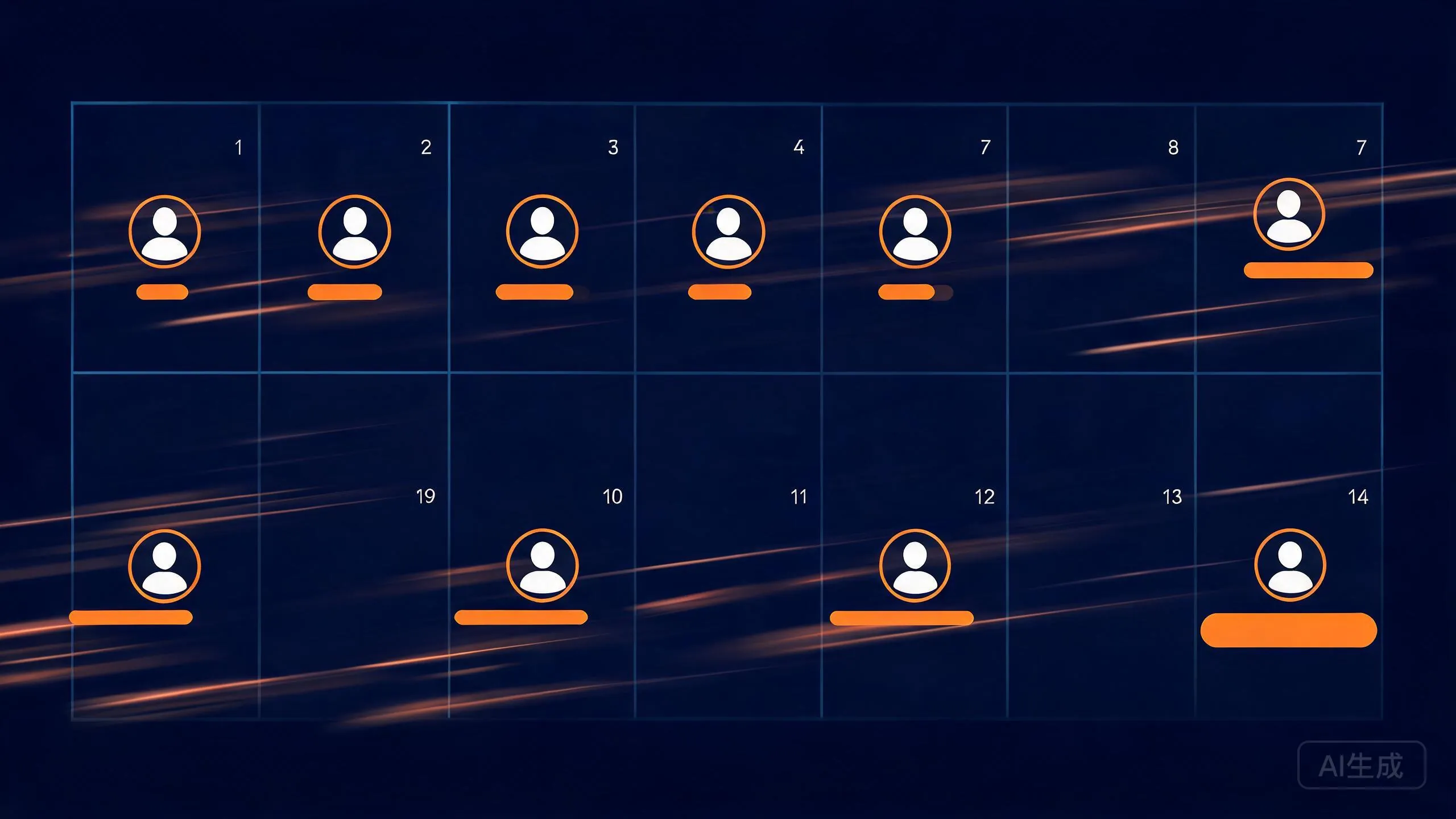
A day-by-day production schedule for shipping a 10-episode vertical drama in 14 days with a 1–3 person team, including where schedules actually slip.
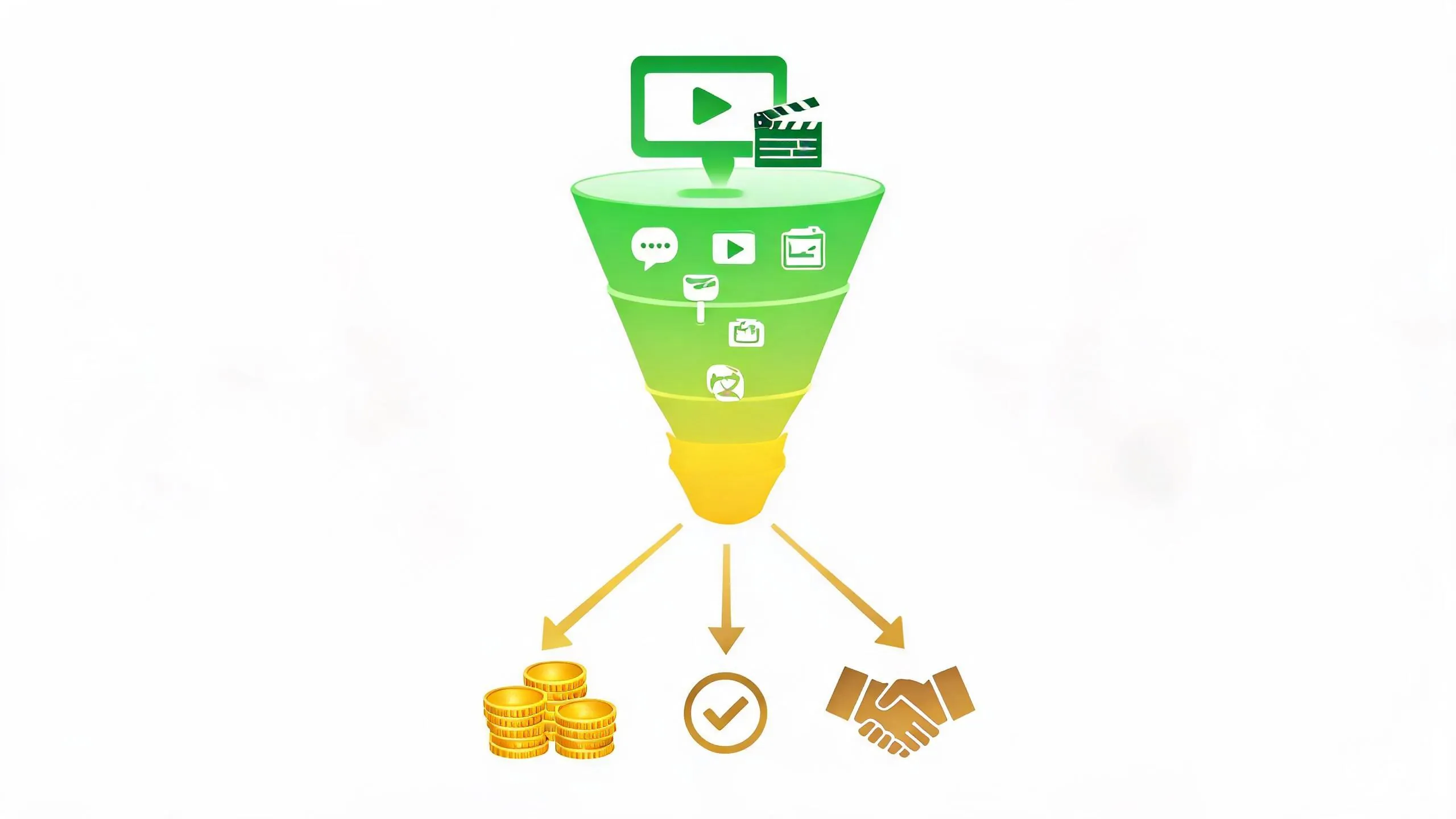
A step-by-step path from a finished episode to a revenue line: vertical formatting, metadata, distribution surfaces, and the three monetization layers that actually compound.
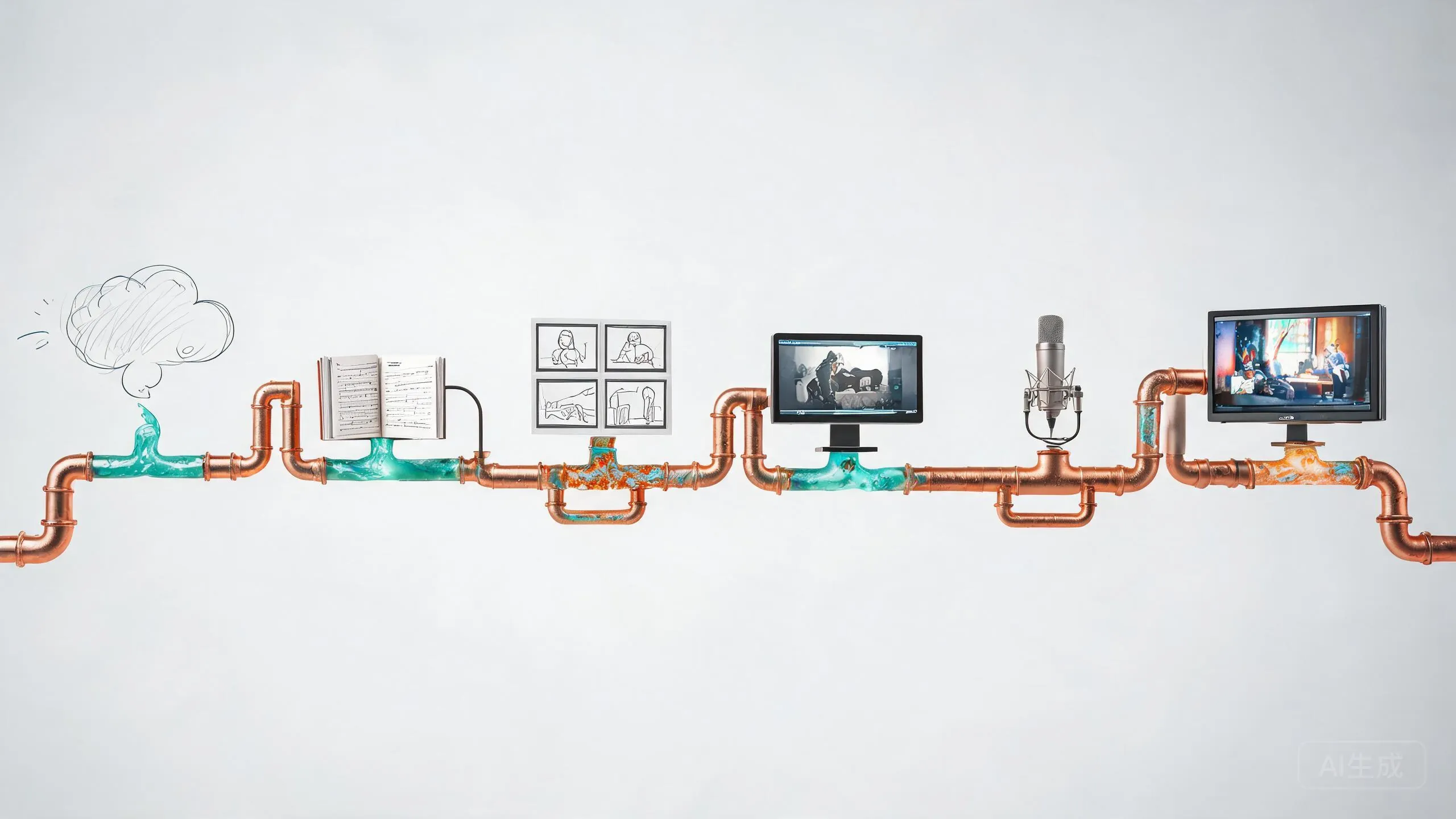
A single pipeline that moves a story idea through script, storyboard, generation, voice, and assembly — with a gate between every stage so cheap fixes stay cheap.
A diagnostic workflow for the three failure modes that break AI drama shots — hands, complex motion, and multi-character interaction — with the cheapest fix tried first.